
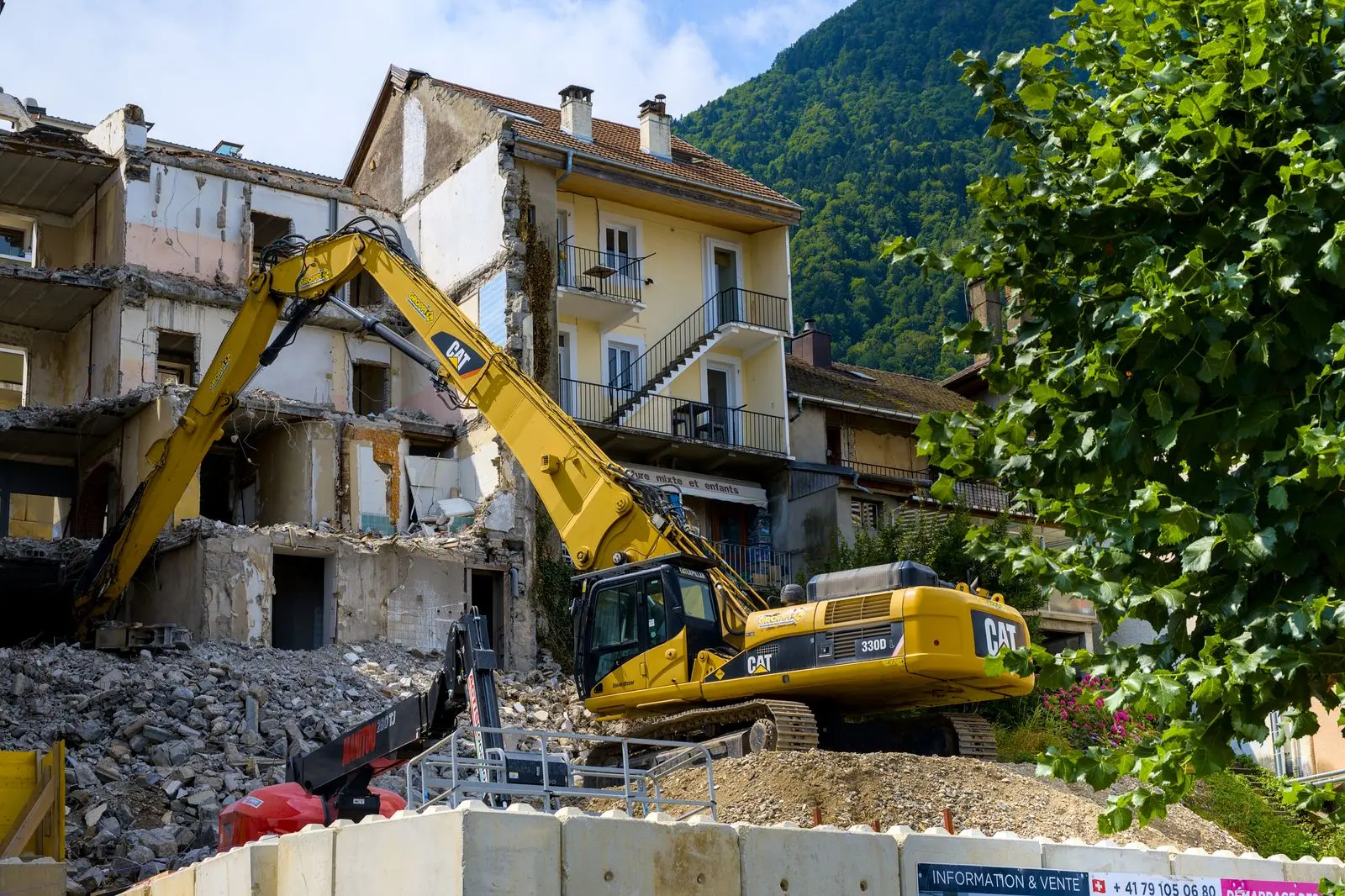
House Demolition
Full teardowns of bungalows, ranch homes and Eichlers, footings and flatwork included, with permit, PG&E shutoff and air district notice handled before the machine arrives.
House Demolition detailsDemolition contractor for Mountain View and Santa Clara County
Request a demolition quote →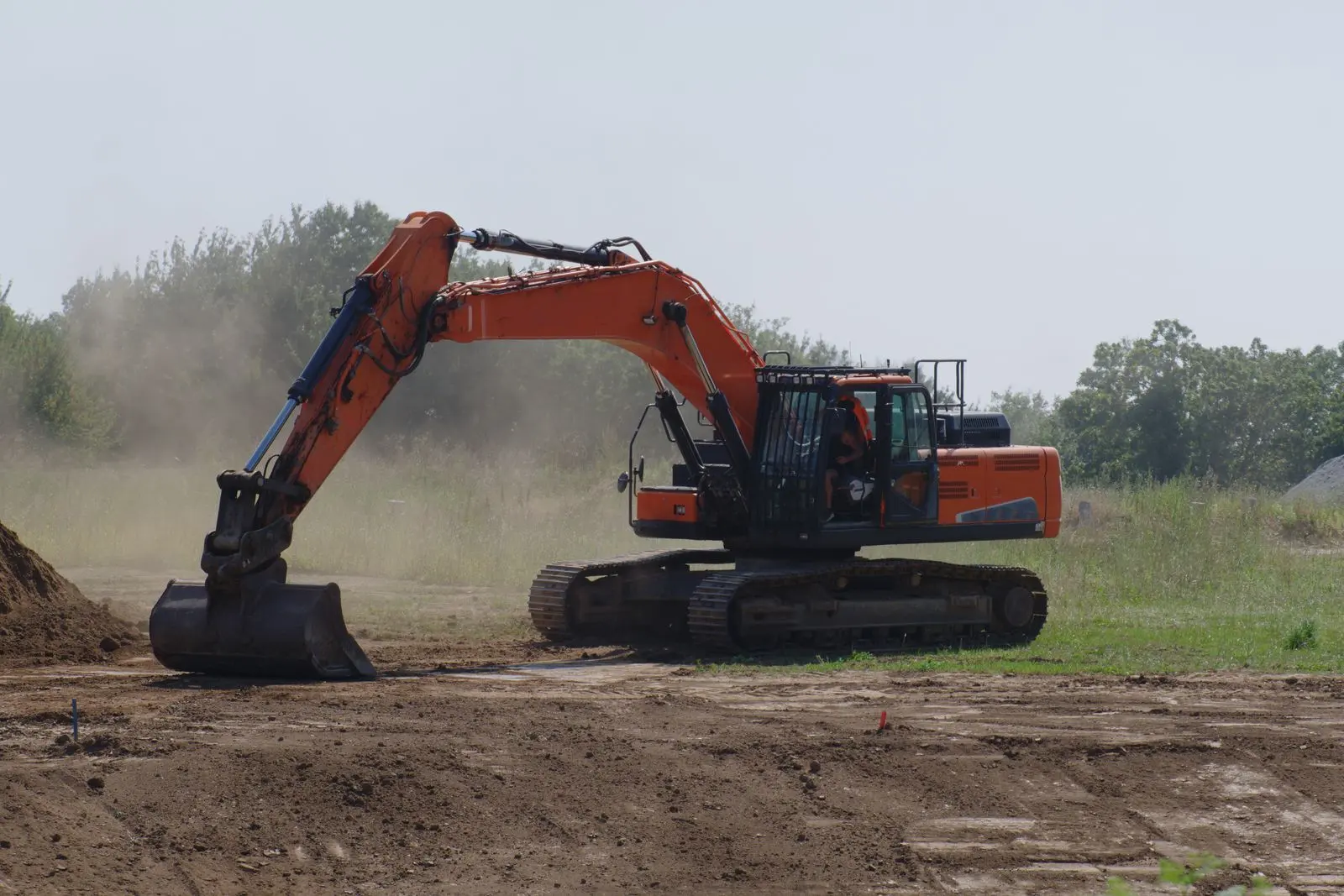
Mountain View teardown and demo crew
We take down houses, garages, pools, slabs and commercial buildings in Mountain View and Los Altos, and we run the survey, the air district notice, the permit and the haul-off as one job. Tell us about the property and we will follow up within 24 hours.
Demolition services in Mountain View
Thirteen kinds of demolition and site work, from pulling out one bathroom to clearing a campus parcel. Each service page covers how that job runs in Mountain View and Los Altos, what the city and air district expect, and what moves the price. Pick the closest match or describe the job in the quote form.
Full teardowns of bungalows, ranch homes and Eichlers, footings and flatwork included, with permit, PG&E shutoff and air district notice handled before the machine arrives.
House Demolition details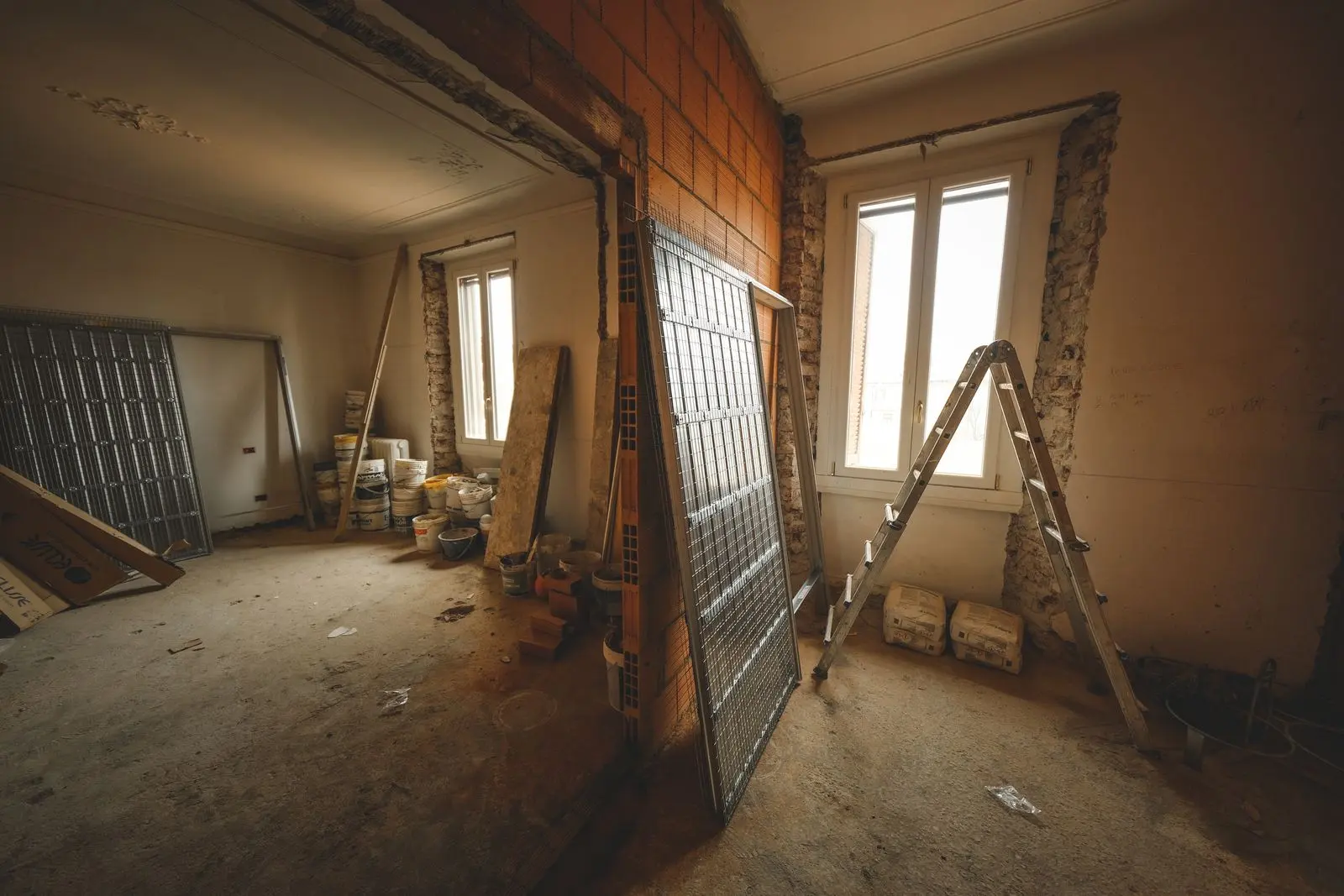
Gutting rooms or a whole floor down to studs and joists for a remodel, with dust walls and protection for the rooms you are keeping.
Interior Demolition details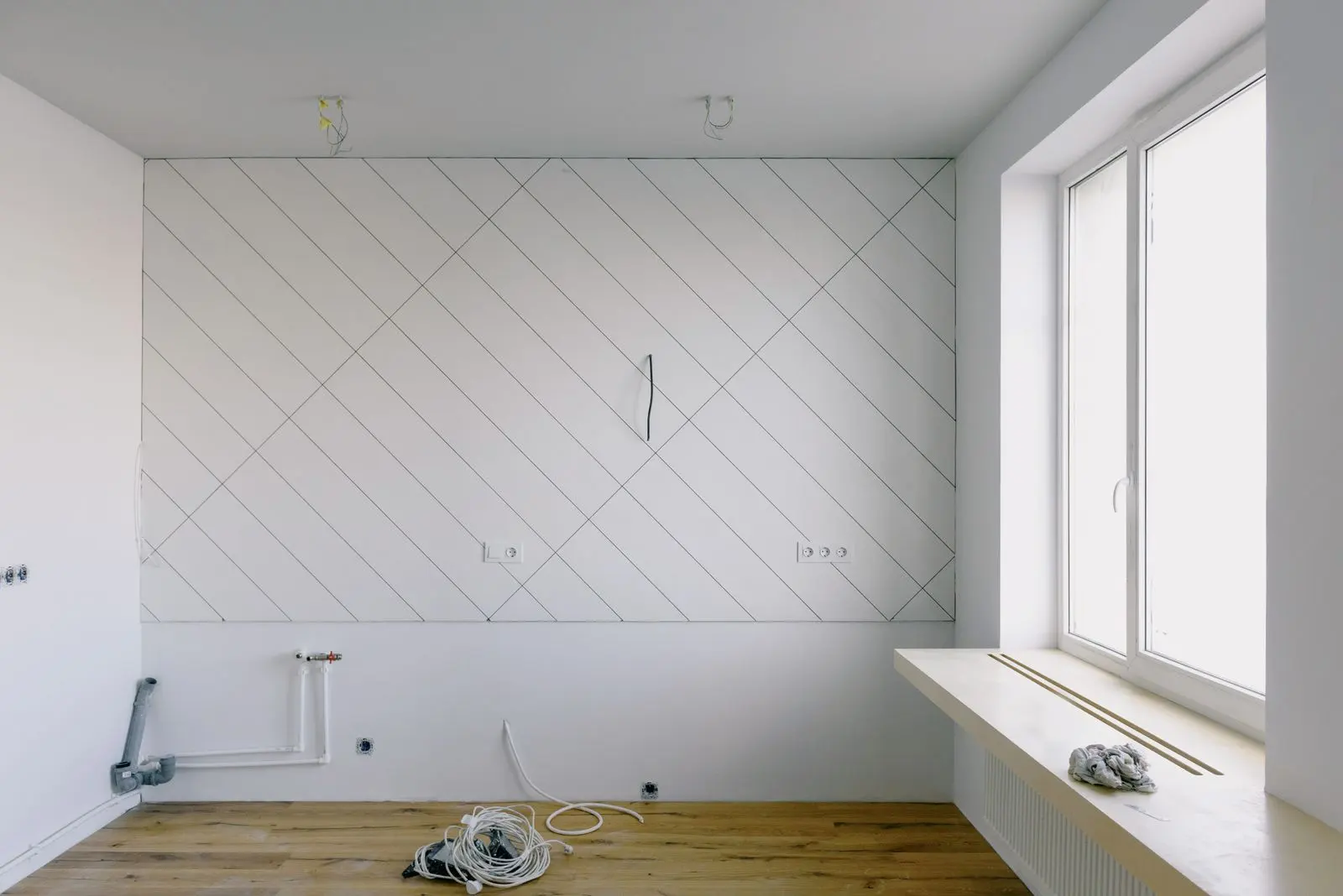
Cabinets, counters, tile, soffits and old flooring removed leaving bare studs and subfloor for the remodel with plumbing and gas safely capped.
Kitchen Demolition details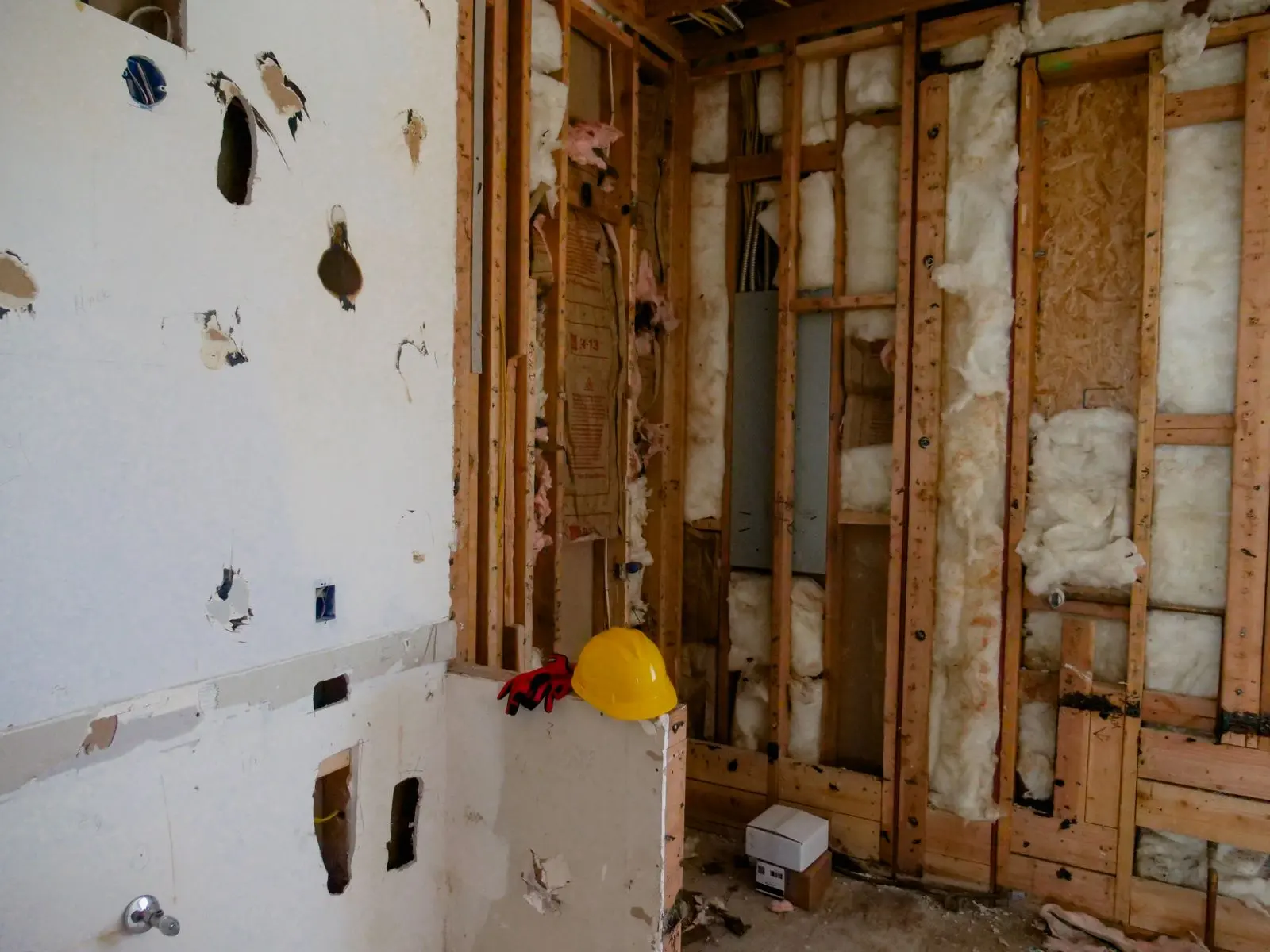
Tub, tile, mortar beds, vanities and subfloor pulled out by hand and carried through the house without damaging floors or the hallway.
Bathroom Demolition details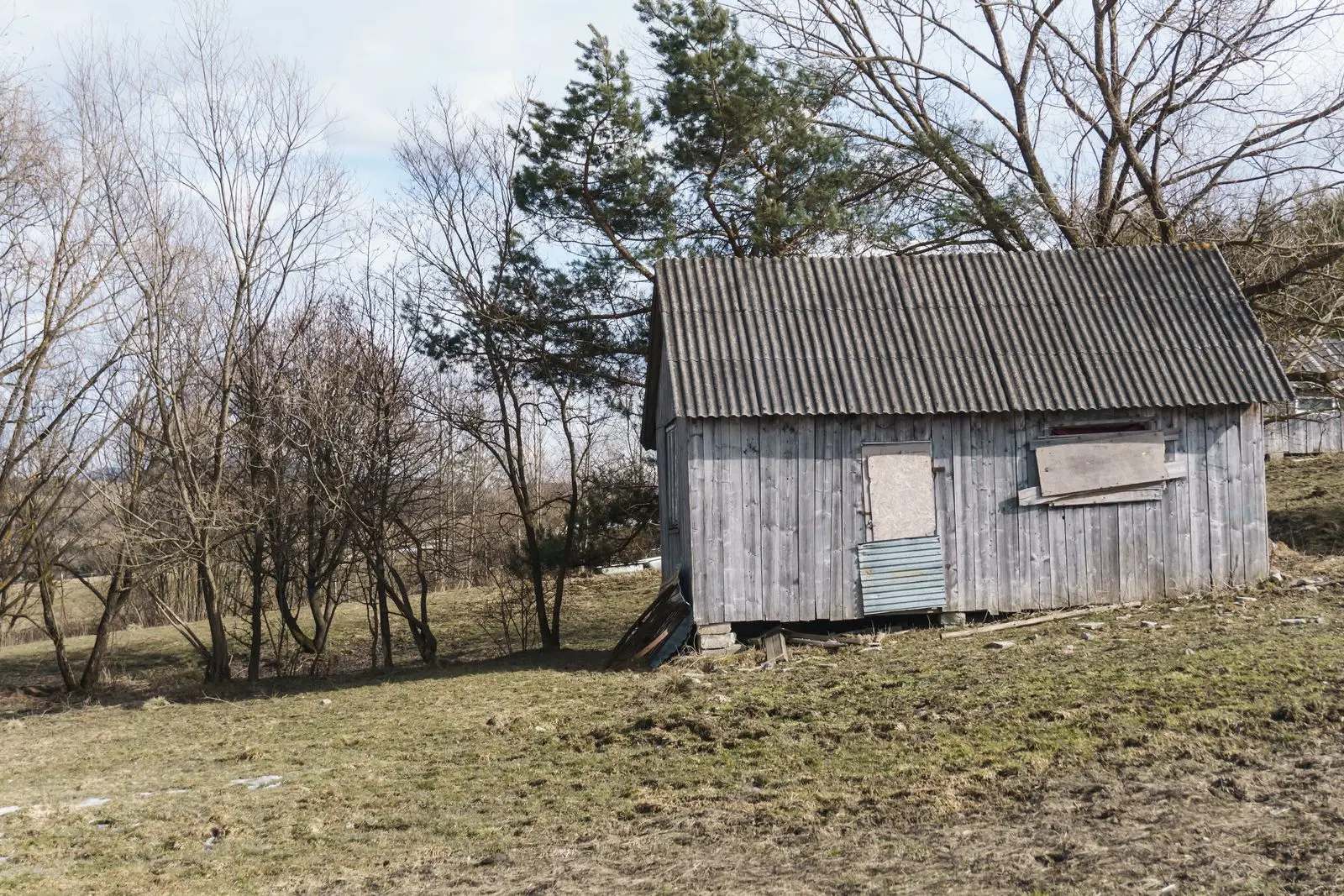
Detached garages, carports, sheds and old workshops taken down, often to make room for a backyard ADU on a narrow Mountain View lot.
Garages and Sheds details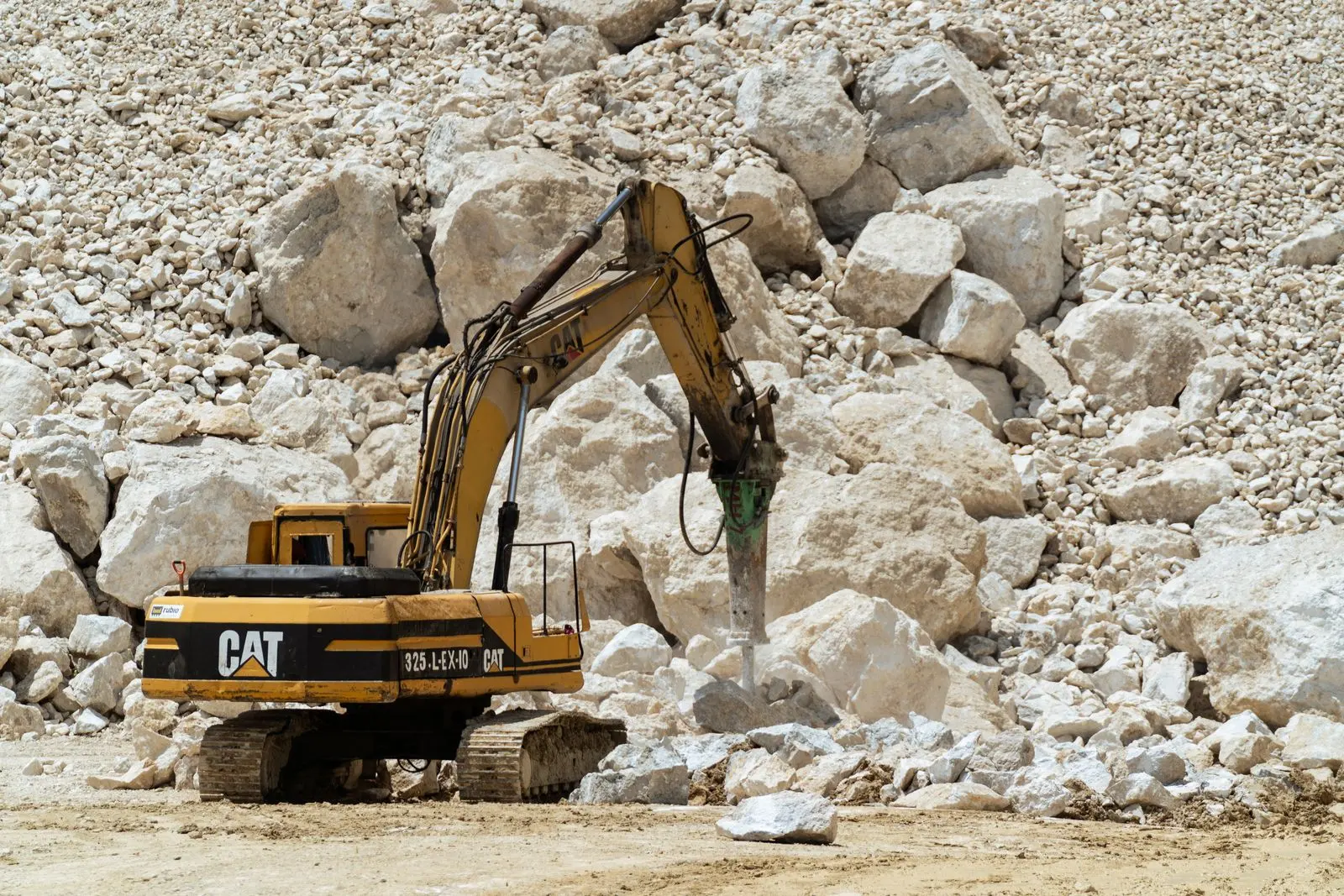
Backyard pools filled in place or dug out entirely, with drainage holes, compacted fill and paperwork the city and future buyers will ask for.
Pool Removal details
Driveways, patios, slabs, footings and low retaining walls broken out and hauled to concrete recyclers instead of the dump.
Concrete Removal details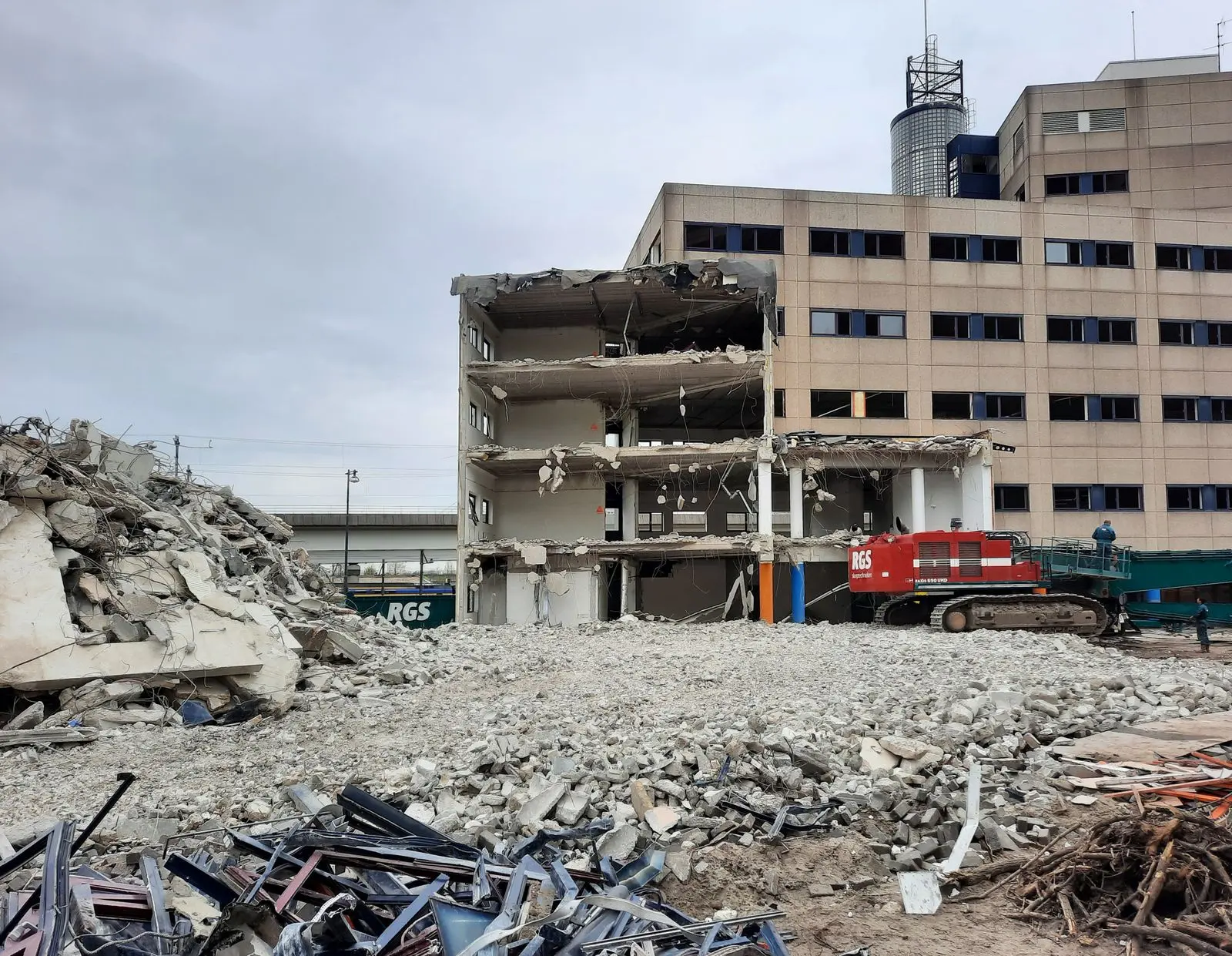
Office, R&D, retail and apartment buildings demolished for redevelopment, with traffic control, dust plans and recycling records for the city.
Commercial Demolition details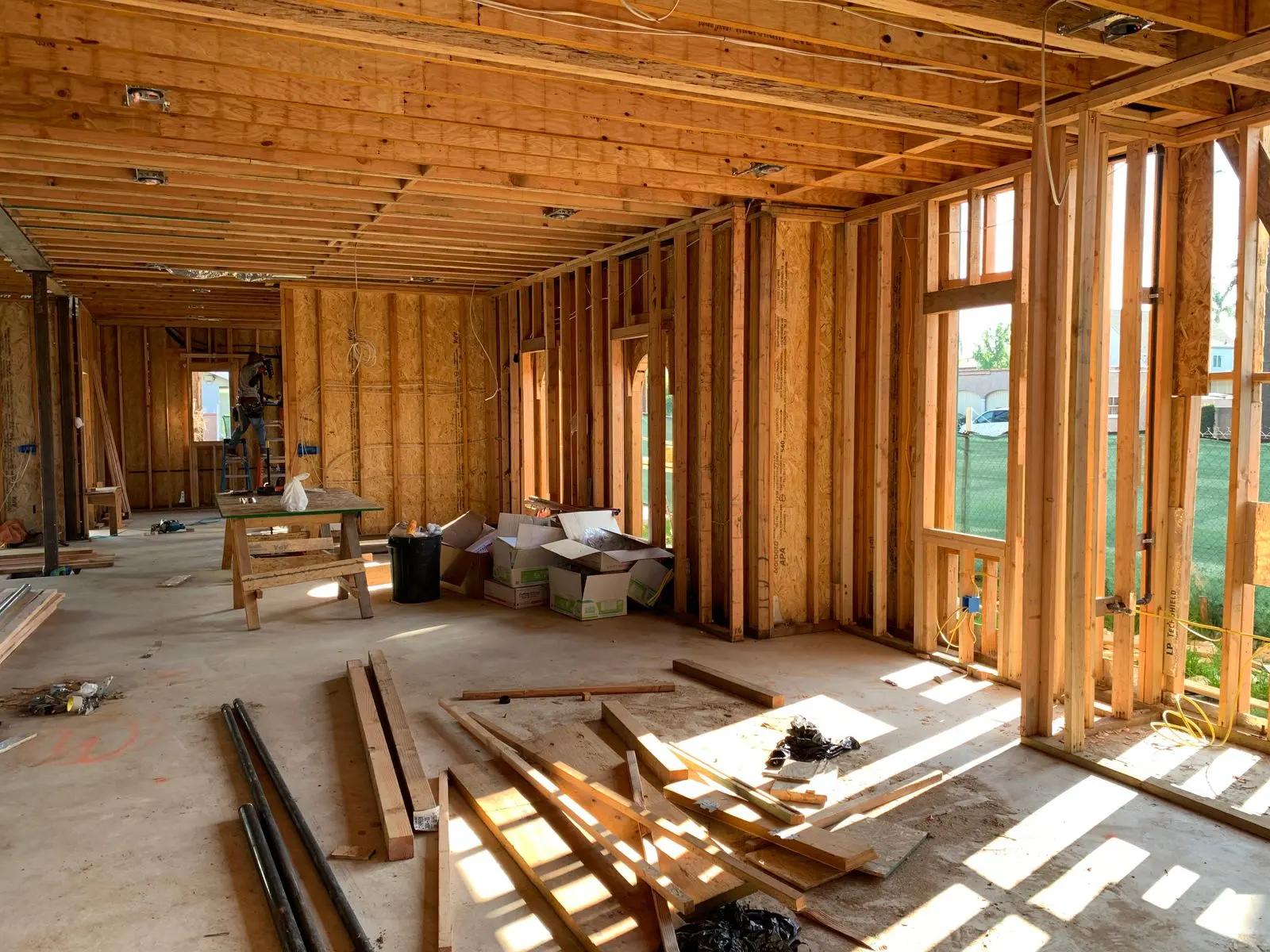
Tenant strip-outs for offices, labs, shops and restaurants, done around building rules, elevator schedules and neighbors who stay open.
Commercial Strip-Outs details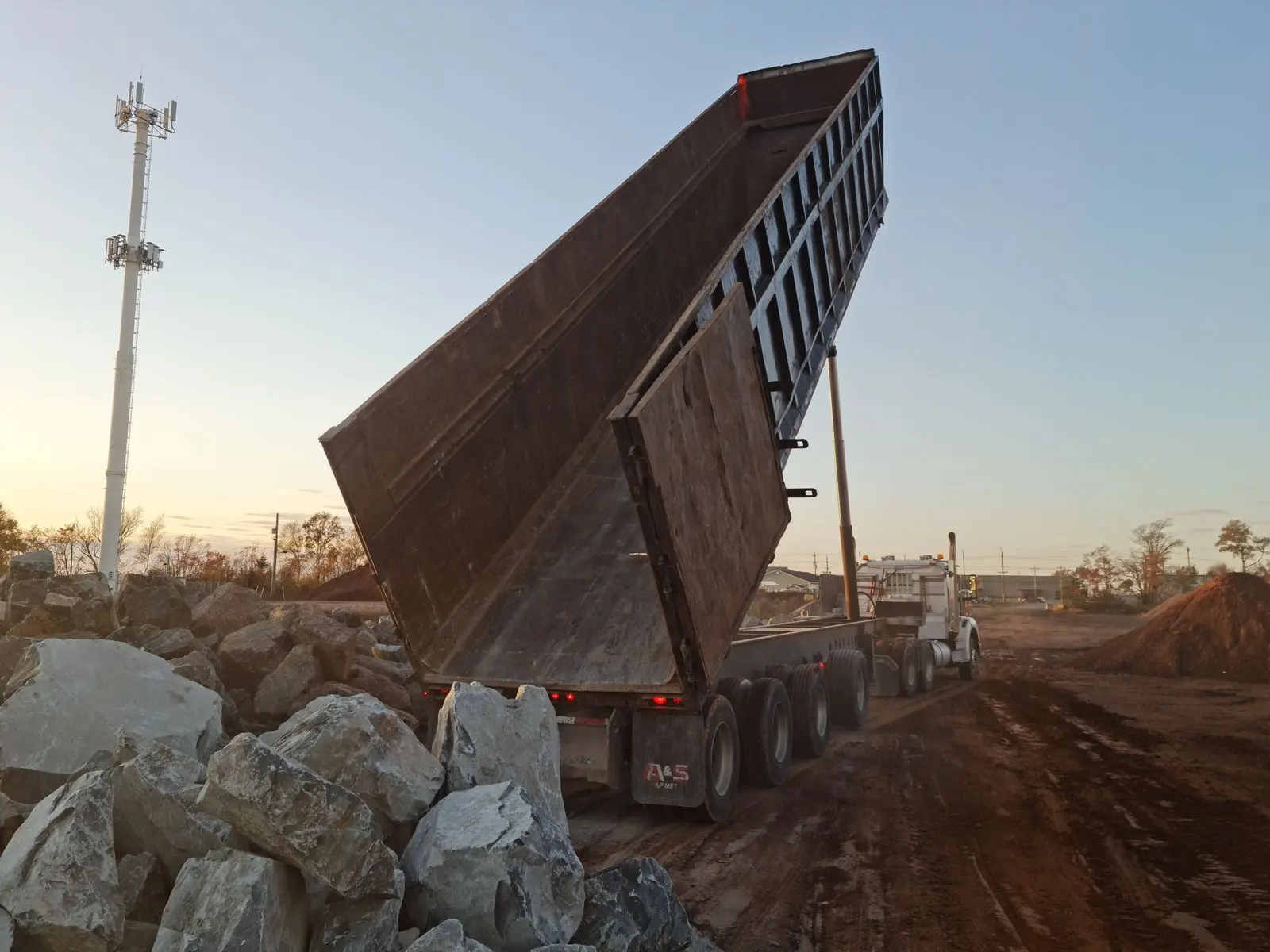
Parking lots, private drives and access roads milled or broken up, the blacktop recycled and the base graded for whatever replaces it.
Asphalt Removal details
Brush, stumps, fences, old flatwork and debris cleared and the lot rough-graded so surveyors and builders can start work.
Lot Clearing details
Sorted hauling of demolition and remodel debris, with metals, concrete, wood and green waste split out for recycling.
Debris Removal details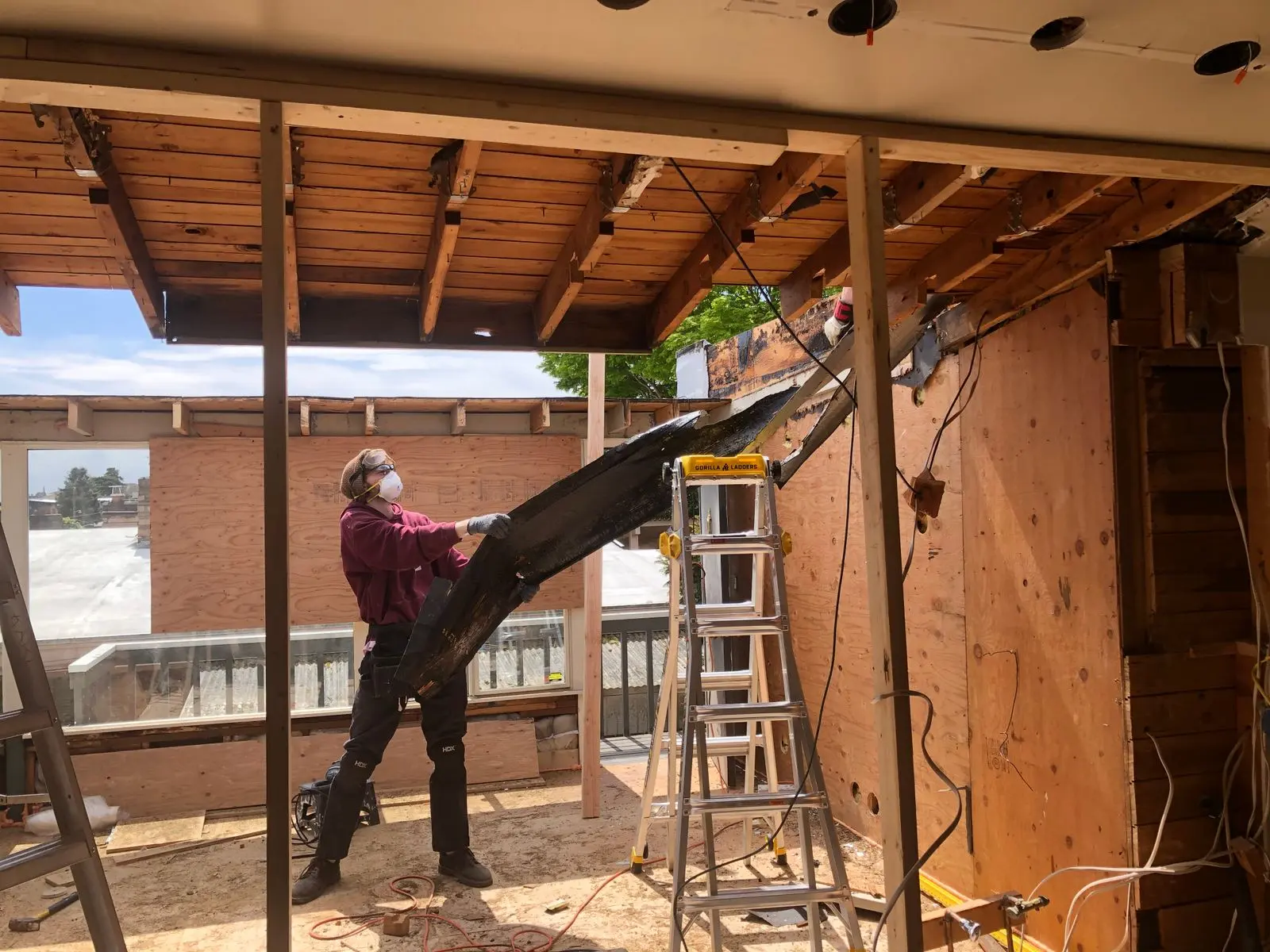
Taking an old house apart by hand to rescue redwood framing, doors, fixtures and brick before a machine finishes the job.
Deconstruction detailsDescribe what has to come down or come out in Mountain View. We will reach out, ask the right questions and put a scope and quote together.
Mountain View demolition contractor
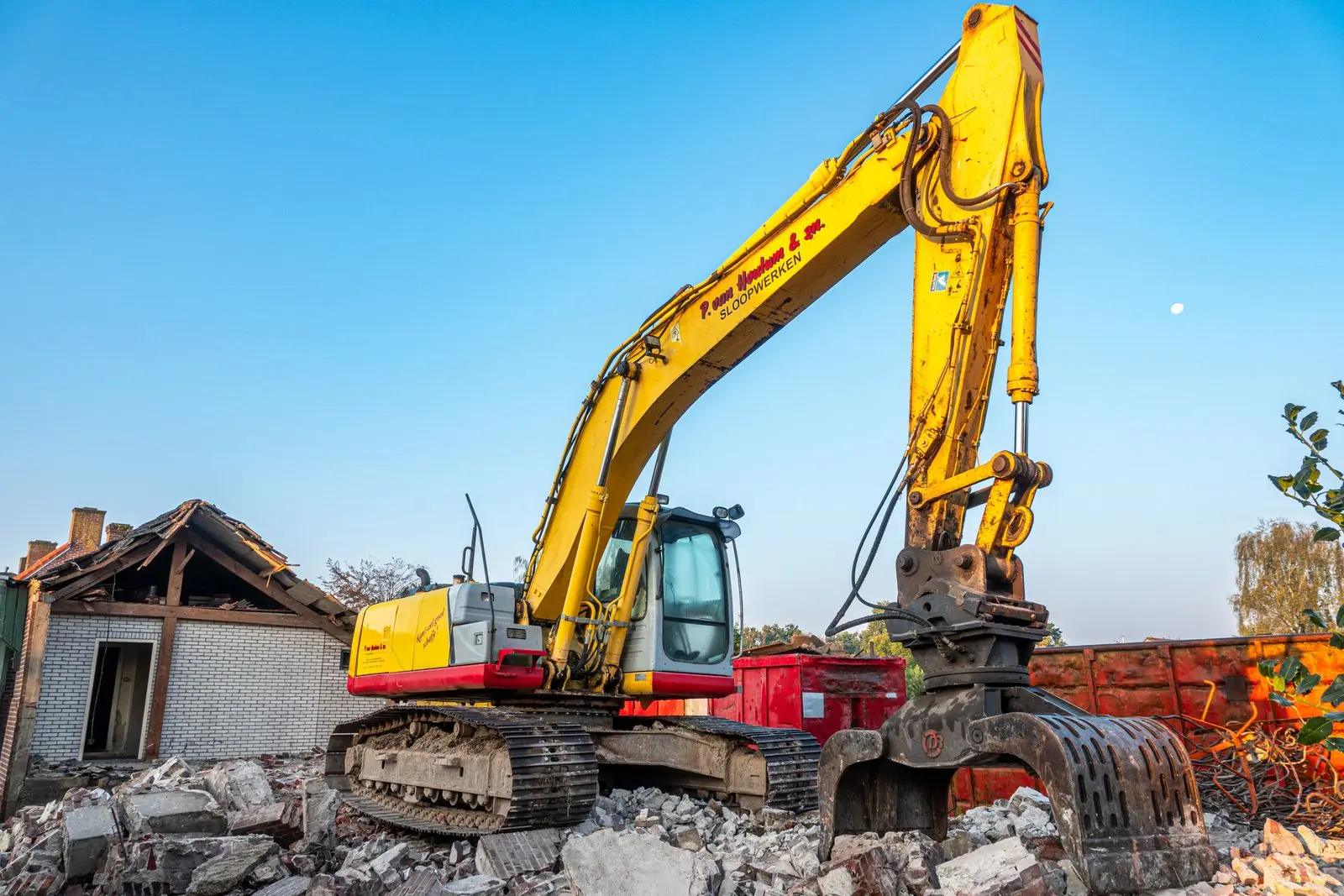
Mountain View Demolition Pros is the local intake for a demolition and site-work contractor that works across Santa Clara County. In this city most of our calls are small-lot jobs: an old bungalow off Dana Street coming down for a new house, a tired duplex giving way to rowhouses, a carport and cracked slab cleared for a backyard unit. The rest are bigger: a two-story office building in East Whisman, a campus parking lot near Shoreline, a restaurant space downtown stripped back to the shell.
We take a building down to bare dirt, or we stop exactly where you tell us to. Some owners want the house, footings and flatwork all gone so the builder starts clean. Others want the slab kept for a remodel, or one bearing wall held while the rest of the kitchen comes out. We plan and price the scope you actually need, then handle what sits around it: the asbestos survey, the notice, the permit sign-off, the trucks and the final sweep.
Typical demolition jobs
The jobs below are the kinds that keep coming up in specific parts of Mountain View and Los Altos. They are examples of typical scope by neighborhood, not case studies, and they show how the building type and the lot change the plan.
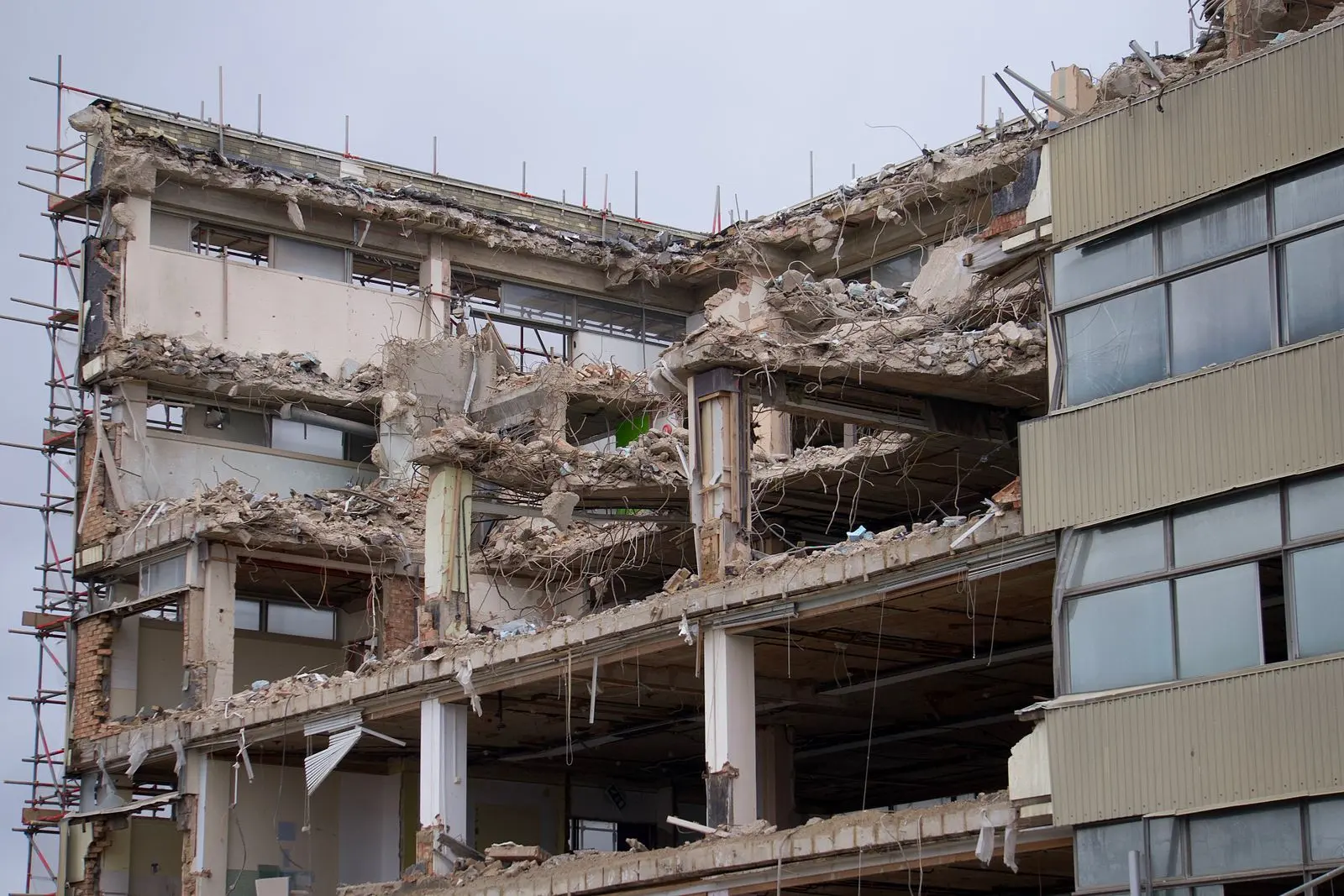
Small wood houses on tight lots near downtown are often replaced with a larger new home. Neighbors sit a few feet away, the garage is at the back with no alley, and older homes may need a historic check before the permit. Work is done with compact equipment and a lot of hand loading near the fence lines.
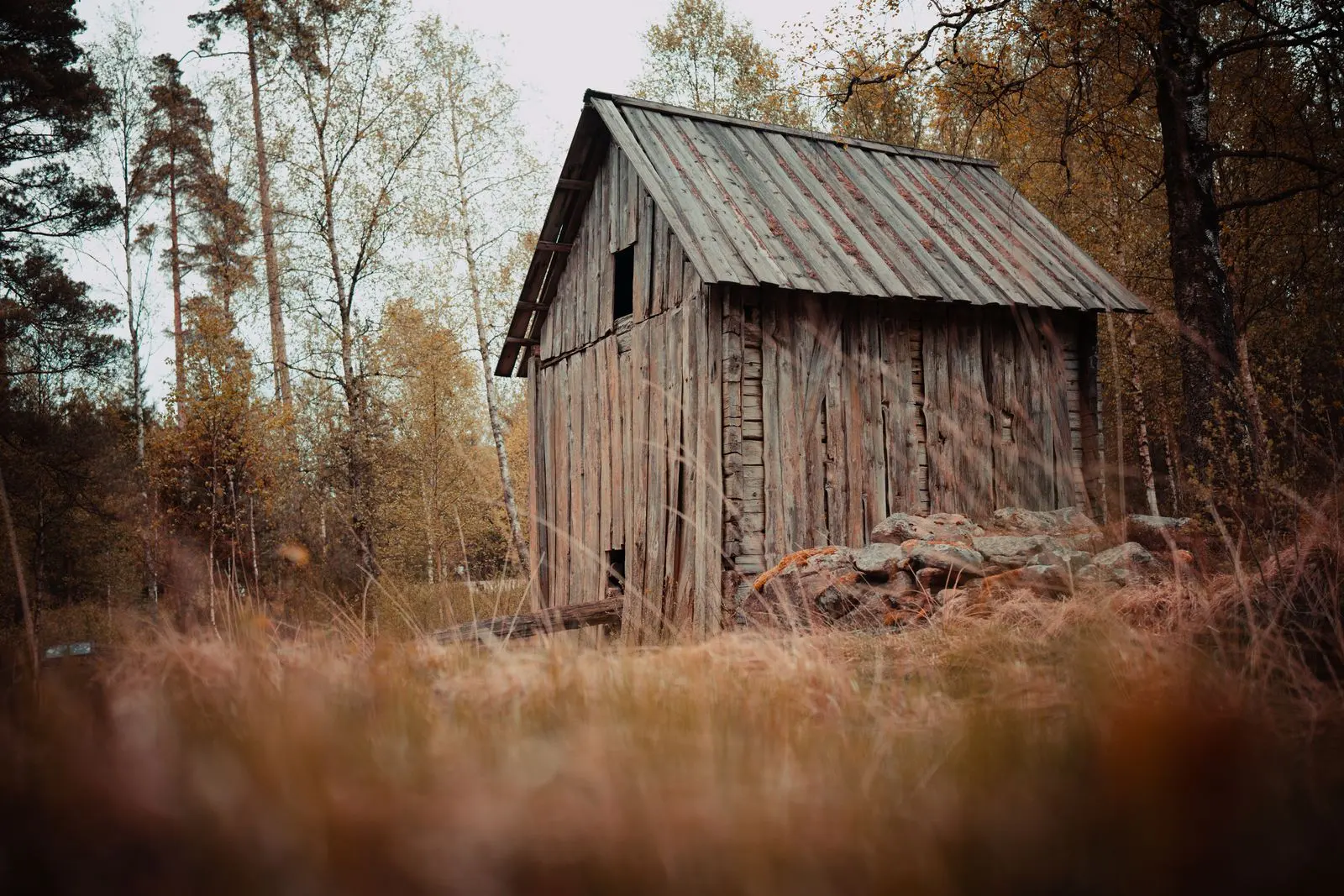
Remodels in Monta Loma tend to keep the slab and the post-and-beam frame. That means stripping finishes without hammering into radiant tubing, testing old mastic and joint compound first, and protecting exposed beams and glass walls while the interior comes out.

East Whisman office and light industrial parcels are being redeveloped as housing. Those jobs pair a full building demolition with large parking lot removal, utility abandonment and recycling reports, and sometimes soil handling rules carried over from the area's past industrial use.
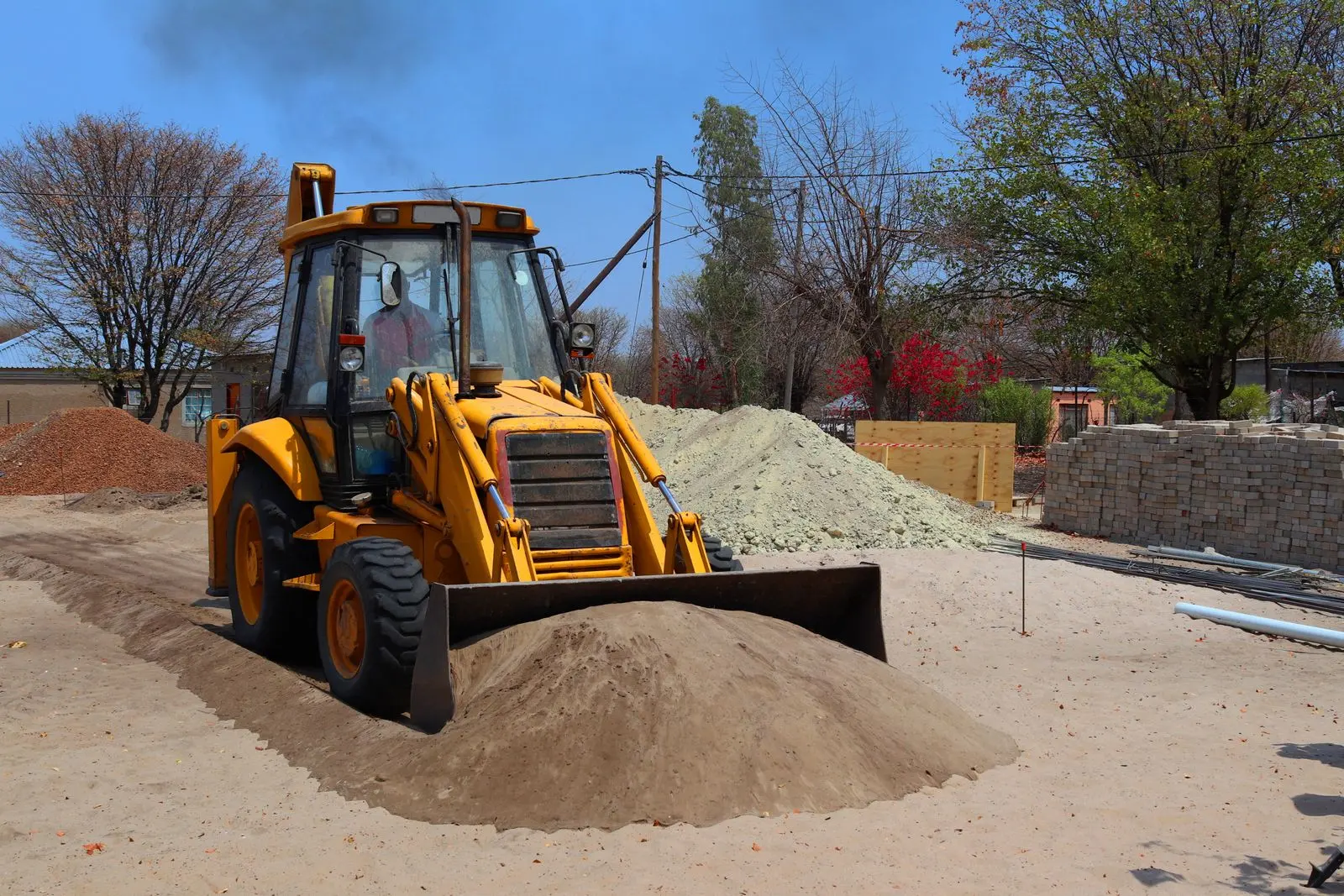
Los Altos sees steady teardowns of 1950s ranch homes on big lots for new houses. The lots are roomier, but protected trees, strict construction hours and Los Altos permit rules shape the schedule, and long driveways and pool decks add concrete to remove.
Know before you demolish
No building in Mountain View comes down before the asbestos question is answered. The air district expects a survey by a certified inspector and, for most demolitions, a written notice filed in advance. Anything the survey finds is removed by a certified abatement contractor first. We set that order of work at the quote so the start date is realistic.
Ask About Your Site
What a Mountain View demolition includes
A house or small building teardown here has the same backbone even when the lot is cramped. The checklist below is what we build into a Mountain View demolition quote unless you ask us to leave something out. Work outside it, like tree removal by an arborist or soil export for a new basement, gets listed as its own line so nothing is assumed.
On narrow lots we also decide up front where the excavator sits, where trucks stage, and how neighbors keep using their driveways while we load. That plan goes to you before the first machine shows up.
How it works
Three stages, in this order, on nearly every job. Paperwork normally outlasts the actual teardown, which is why it starts the day you approve our price.
01
On site we check access, neighbors, trees, overhead lines and what sits under the building, and ask for any plans or photos you have. The written quote lists what is included and what is not.
02
Survey first, then abatement by a certified firm if needed. Next we file the air district notice, pull the city permit, and coordinate PG&E shutoff and the sewer lateral cap with the city.
03
Fences go up, dust control runs all day, and the building comes down inside allowed hours. Debris is sorted for recycling as it is loaded, and the lot is graded and swept for final sign-off.
Mountain View fits very different buildings into a small city. Old Mountain View has wood-frame bungalows and craftsman houses on narrow lots with detached garages at the back. Monta Loma and other postwar tracts have Eichlers and similar slab homes, many with radiant heat tubing cast into the concrete. Along El Camino Real, Rengstorff Avenue and the blocks near the Caltrain line, 1960s apartments and small commercial buildings are being replaced by rowhouses and townhomes. North Bayshore and East Whisman add low-rise office and R&D buildings on large parcels.
Teardown permits are issued by the Building Division inside Mountain View's Community Development Department. Before releasing one, the city generally wants the utilities confirmed off, the asbestos survey and the air district notice. An older house may get a historic resources check, and any protected Heritage tree on the lot needs its own approval before work happens near it. On a redevelopment, the demolition usually rides on the planning approval for the new project, so the start date follows that approval.
Asbestos is the regional air district's territory (BAAQMD). Under Regulation 11, Rule 2, a building gets surveyed before demolition and the district is notified ahead of most demolitions, normally at least ten working days before work begins. Asbestos in joint compound, floor tile, flue pipe or roofing gets removed by a certified abatement firm, and we book their crew ahead of ours. We do not perform abatement ourselves.
Rental buildings carry one more step. Mountain View has tenant relocation rules that apply when occupied rental units are taken off the market, and the owner works through those with the city before a demolition date is set. We build our schedule around that timeline rather than guess at it.
There is no flat rate for tearing down a building here, and a number given sight unseen is a guess. Size and construction come first: a small wood bungalow comes apart and loads out very differently from a two-story stucco fourplex or a concrete tilt-up. Foundations come next. A raised floor on a perimeter footing clears quickly, while a thick slab with radiant tubing, or a basement, takes more breaking and more truckloads.
Access is the cost driver people underestimate in Mountain View. A narrow lot with houses close on both sides, no alley, cars parked along both curbs and one shared driveway means smaller equipment, more trips and some hand work along the property lines. If trucks have to stage in the street, the city may want an encroachment permit and traffic control. Overhead lines and big street trees also limit where a machine can swing.
The rest is what sits in and under the building: the survey results and any abatement, sewer lateral work, possible soil testing on former industrial land, and how much concrete and asphalt there is to break and haul. Concrete, asphalt, metal and clean wood all have recycling outlets, which helps meet CALGreen and city diversion rules and usually costs less than dumping mixed loads.
Mountain View service areas
We cover all of Mountain View, from the bungalow blocks of Old Mountain View and the Eichlers of Monta Loma to the office parcels of North Bayshore and Whisman, plus Cuesta Park, Waverly Park, Rex Manor, Sylvan Park and Shoreline West. Los Altos, a separate city with its own building division and rules, is on the list too.
City of Mountain View
Bungalow and craftsman teardowns on narrow lots near downtown, detached garage removal for ADUs, and historic checks on older homes before the permit.
Old Mountain View demolition
City of Mountain View
Teardowns of larger 1950s and 1960s homes near Cuesta Park and El Camino Hospital, with pool removal and driveway demolition for rebuilds.
Cuesta Park demolition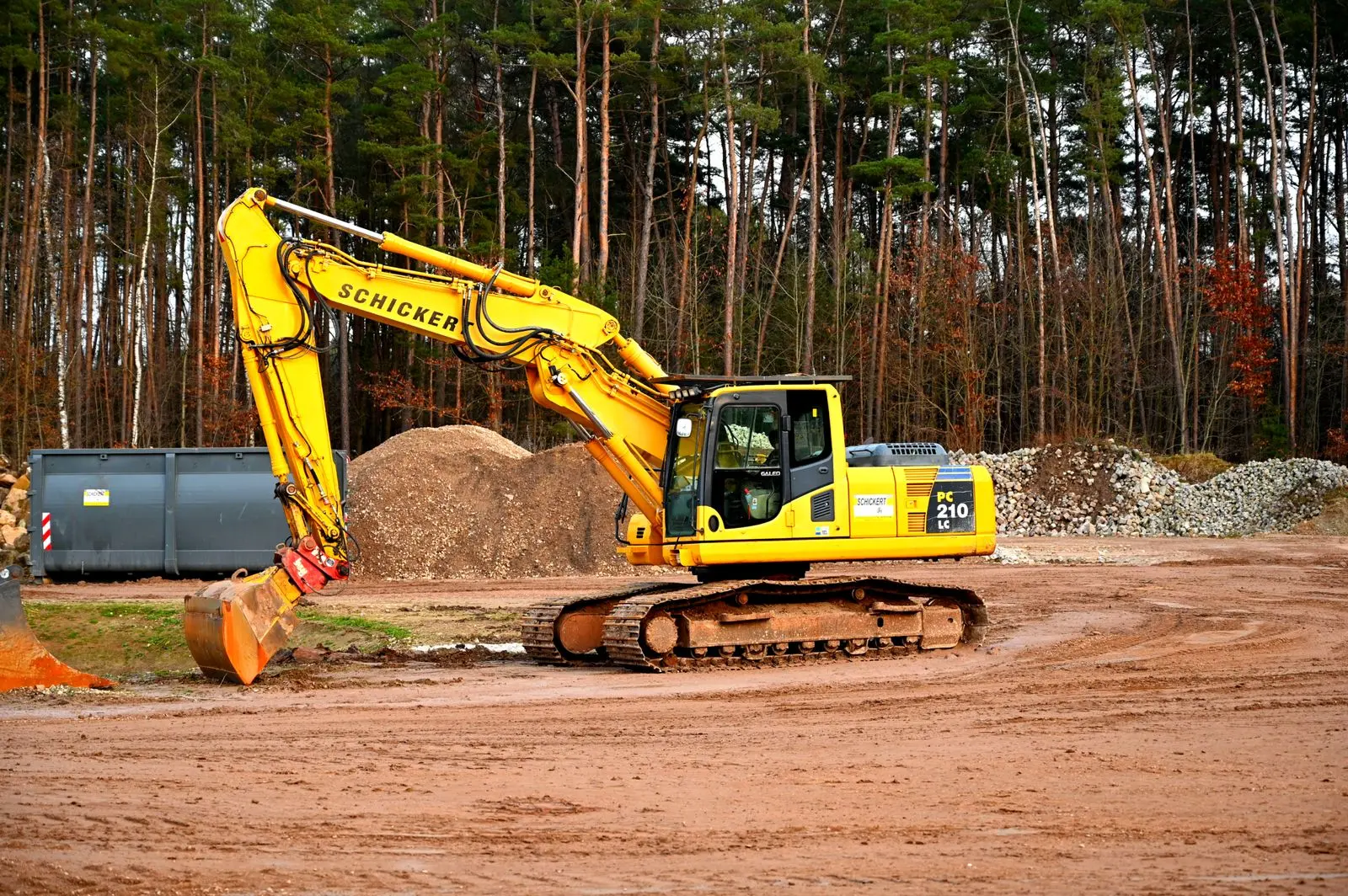
City of Mountain View
Ranch home demolition, kitchen and bath tear-outs and backyard pool removal in south Mountain View along the Los Altos line.
Waverly Park demolitionDemolition FAQs
No. Taking down all or part of a building requires a demolition permit from Mountain View's Building Division. The city generally asks for the asbestos survey, proof of the air district notice and confirmation that utilities are shut off before it issues the permit. We prepare and file that package.
The teardown itself is usually a matter of days for a typical single-family house. The longer part is the lead time: the asbestos survey, any abatement, the air district notice period, PG&E disconnects and permit review. We give you a realistic schedule once we have seen the house and the survey results.
PG&E cuts gas and power and pulls its meters, and the city water and sewer side is handled through the City of Mountain View. We request and track those disconnects for you, because the permit generally will not be released until they are done.
Then a certified abatement firm takes it out under air district and state rules before any demolition. We schedule that contractor and coordinate their dates with ours. We do not do abatement ourselves, and demolition does not begin until the material is gone.
We fence the site, keep water on the work to hold dust down, protect shared fences, and keep trucks from blocking driveways. Neighbors get a heads-up on start dates, and noisy work stays inside the hours the city allows.
Often, yes. Some remodels and rebuilds reuse a slab or part of a foundation if the engineer approves it. We demolish down to the level you specify and protect what stays, including radiant tubing in Eichler slabs.
Yes. Los Altos is its own city, so the permit comes from the City of Los Altos Building Division and its tree and construction hour rules apply. The air district requirements are the same as in Mountain View.
Demolition quote
Fill in the form with the address, the building and what should be gone when we leave. Within 24 hours we follow up by phone or email to ask for photos or plans and book a visit.