
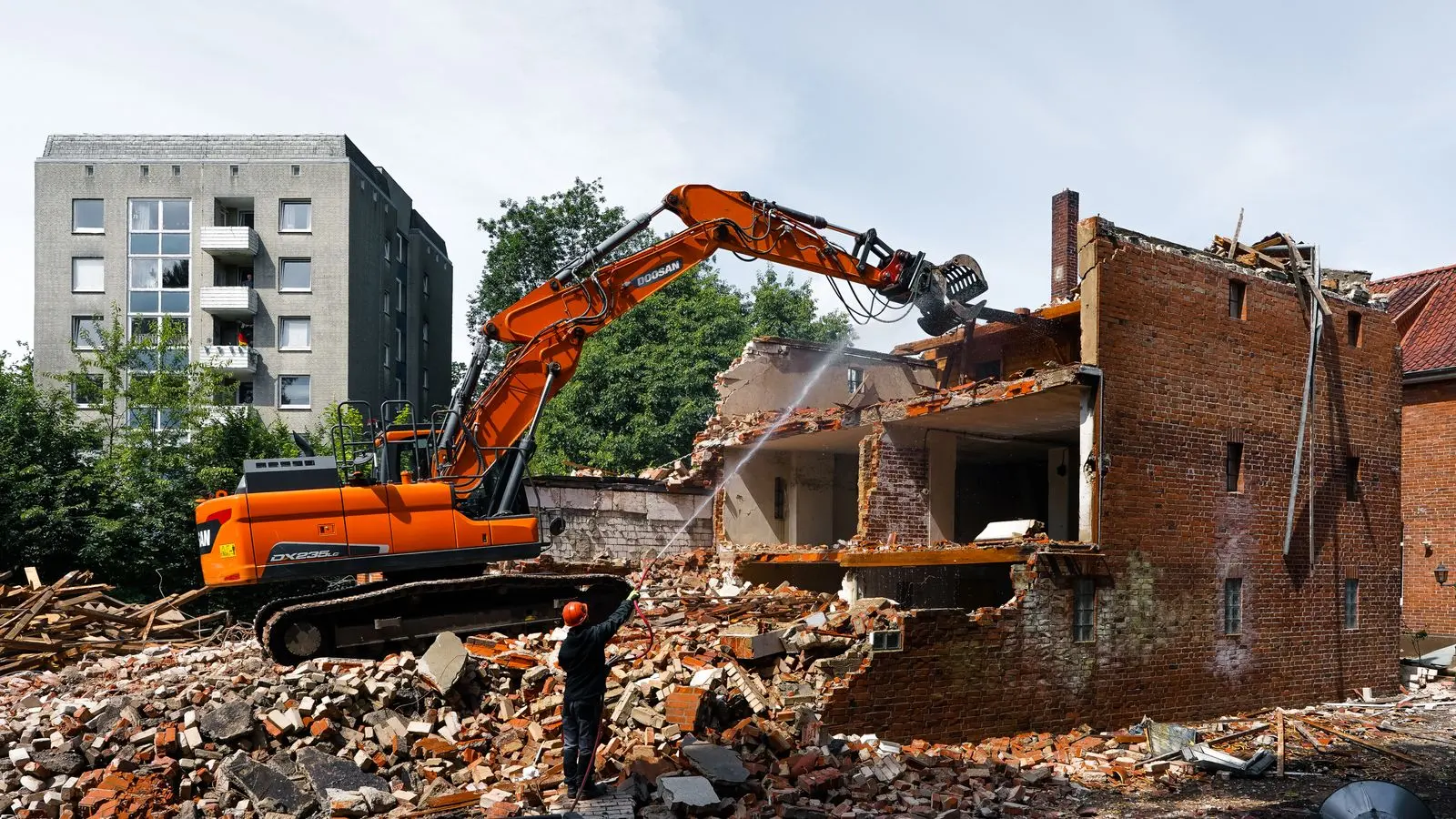
Mountain View house teardowns
House Demolition in Mountain View
Full house teardowns for owners and builders clearing a lot for a new home, a duplex or a row of townhomes. We handle the steps before the machine shows up and leave a clean, graded pad.
Why Houses Get Torn Down in Mountain View
Most house demolition in Mountain View falls into two groups. The first is the single-family rebuild: an owner or builder buys a small postwar house in Cuesta Park or an aging bungalow in Old Mountain View and replaces it with a larger, modern home on the same lot. The second is redevelopment, where one or two older houses on a wide parcel come down so a developer can build rowhouses or townhomes under the city's newer zoning.
The two kinds of job look similar from the street but run differently. A rebuild is about one house, one set of neighbors and one permit. A redevelopment teardown is often tied to a planning approval, may include several structures and a lot of paving, and sometimes waits on tenant relocation steps if the houses were rented.
House Teardowns on Tight Mountain View Lots
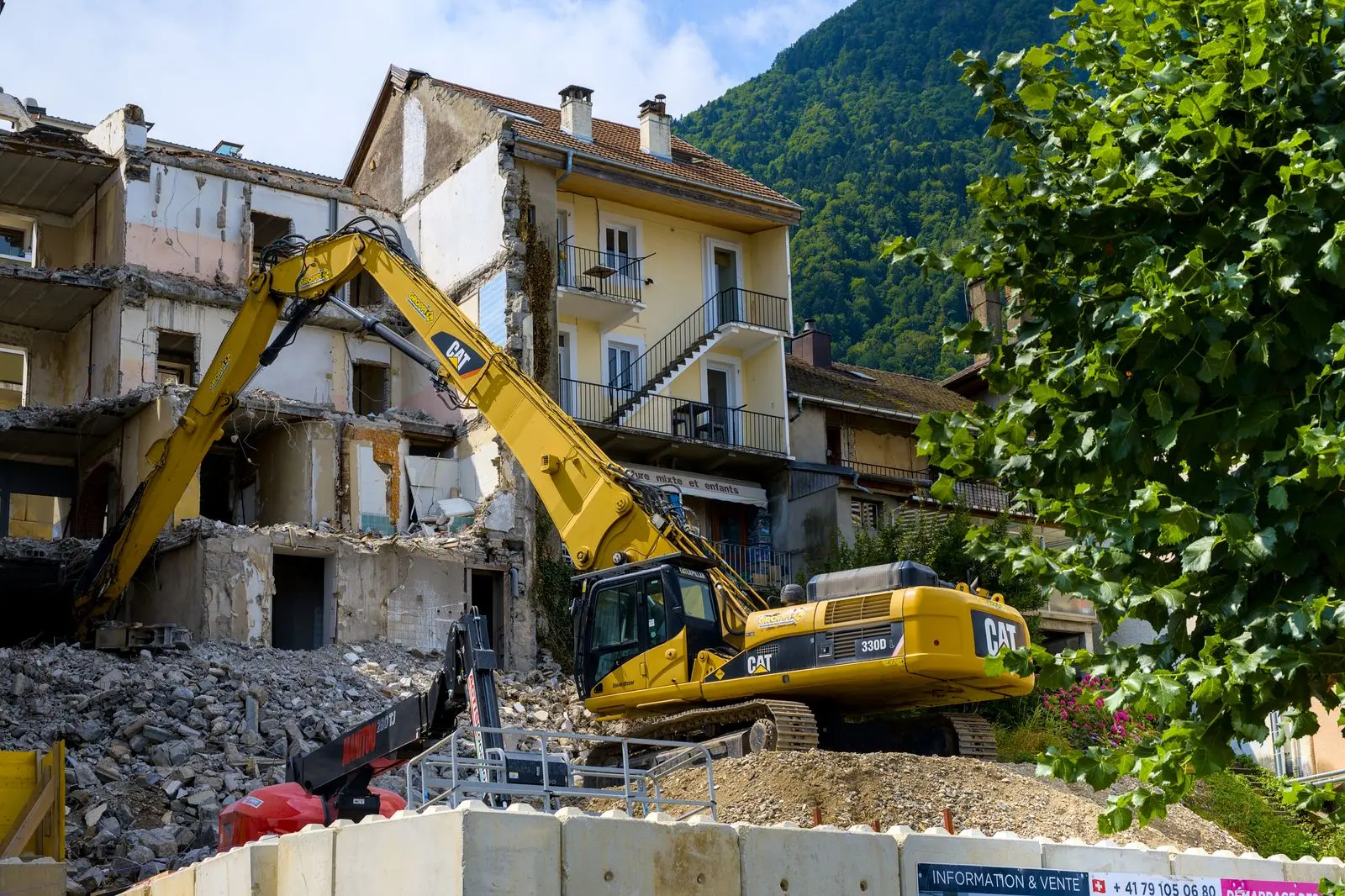
Many Mountain View lots are narrow, with a house a few feet off each side line and no alley behind. That shapes everything. We bring in a compact excavator instead of a full-size machine, set it where it can reach the whole house without swinging over a neighbor's yard, and pull the structure inward so walls fall onto the slab rather than the fence.
Trucks are the other half of the puzzle. On streets lined with parked cars we stage loading from the driveway when it is wide enough, and use the street only with the right permits and cones. We keep the gutter clear, sweep at the end of each day, and keep neighbors' driveways usable.
Dust and noise are watched closely on small lots. Water runs on the work face the whole time the machine is moving, the fence is wrapped with screen, and the loud work happens only during the hours the city allows.
Permits, Asbestos Survey and Utilities for House Demolition
Mountain View's Building Division signs the teardown permit, and before it does, it generally wants an asbestos survey, a copy of the Bay Area Air Quality Management District notification, and confirmation that PG&E has cut gas and electric service. The sewer lateral is capped where the city directs, and the water service is shut off through the city's utility side.
The survey happens first because the answer controls the schedule. Houses built before the 1980s often have asbestos in joint compound, acoustic ceilings, vinyl flooring or old heater flues. When it shows up, a certified abatement contractor removes it under air district rules. We arrange that work but do not do it, and demolition waits until the abatement is cleared.
Houses old enough to have historic value may get a review before the permit, and protected Heritage trees on the lot need city approval before anyone works near their roots. We check both at the start so they do not surprise you halfway through.
What Affects House Demolition Cost in Mountain View
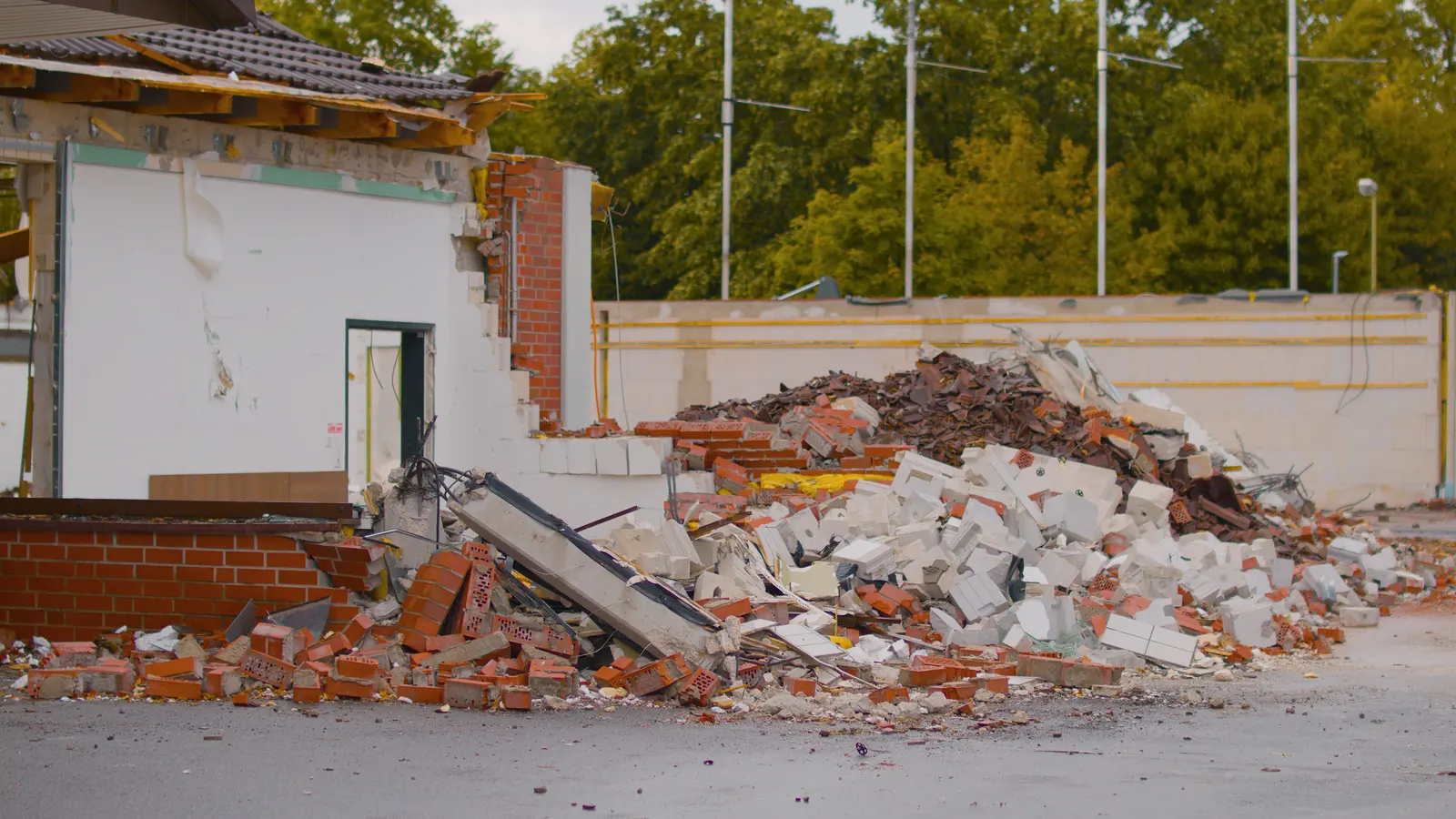
House size and how it is built set the baseline. A one-story wood house on a raised floor is the simplest. Stucco, plaster walls, a second story, a basement or a thick slab all add time and truckloads. Garages, sheds, patios, long driveways and pools add their own removal work on top of the house itself.
After that, cost follows access and what is found. Tight lots, street staging, abatement, sewer lateral work, protected trees and how much material can be recycled all move the number. Each shows up as its own line on our quote.
Mountain View House Teardown Scope
Pre-Demolition Survey and Notice
We book the asbestos inspector, slot any certified abatement work ahead of ours, and file the air district demolition notification so the city permit can be released on time.
Utility Shutoff and Sewer Cap
We request PG&E gas and electric disconnects, coordinate the water shutoff, and cap the sewer lateral the way the city inspector expects to see it.
Full Removal Down to Soil
House, footings, slab, garage, flatwork and buried pipe are removed unless you tell us to keep something. Basements are backfilled and compacted when the new plans call for it.
Sorted Haul-Off and Final Grade
Concrete, metal and wood go to recyclers, and we keep the load records. The lot is rough-graded and swept so the builder or surveyor can start right away.
House Demolition: Job Site Photos
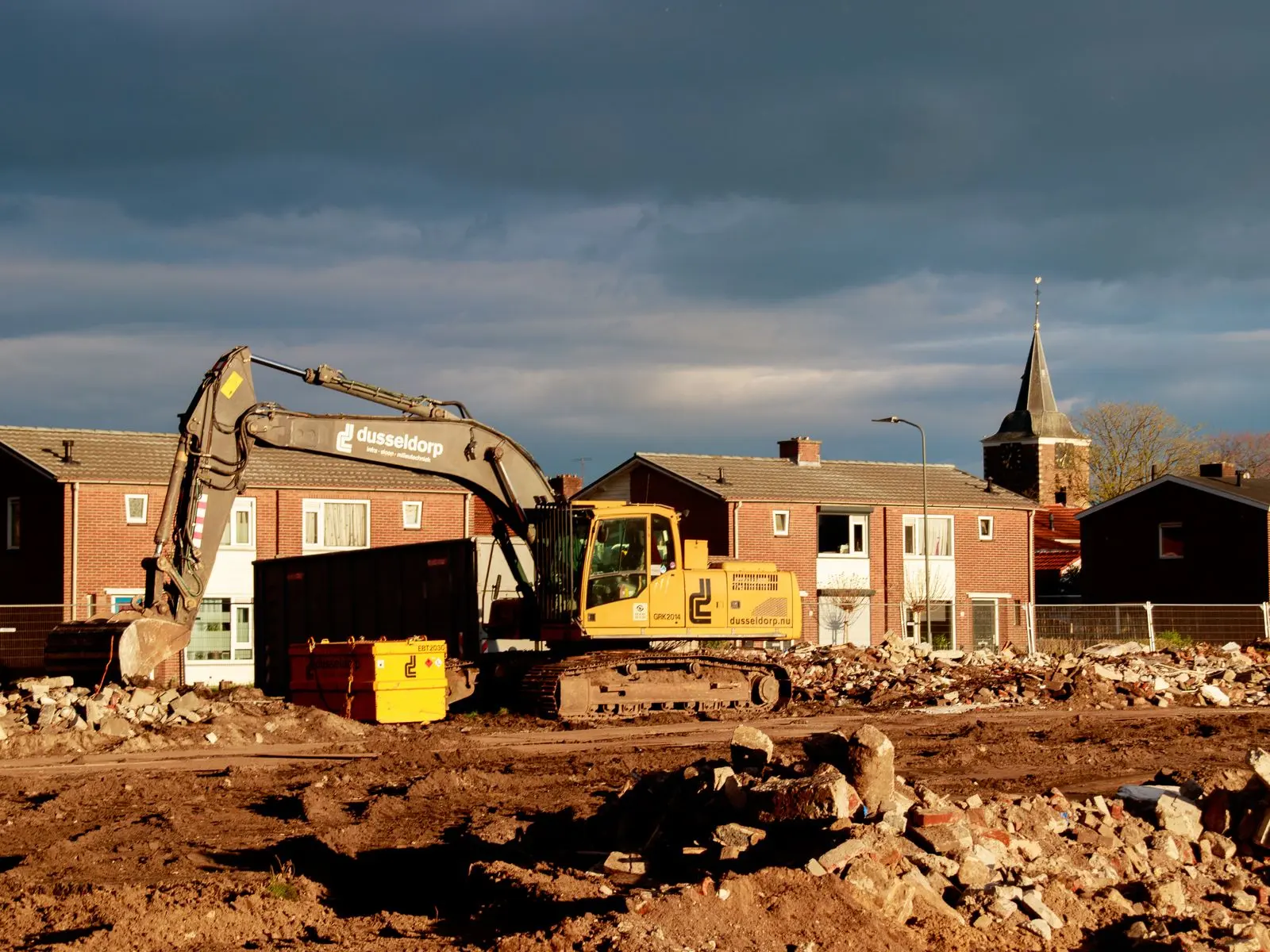

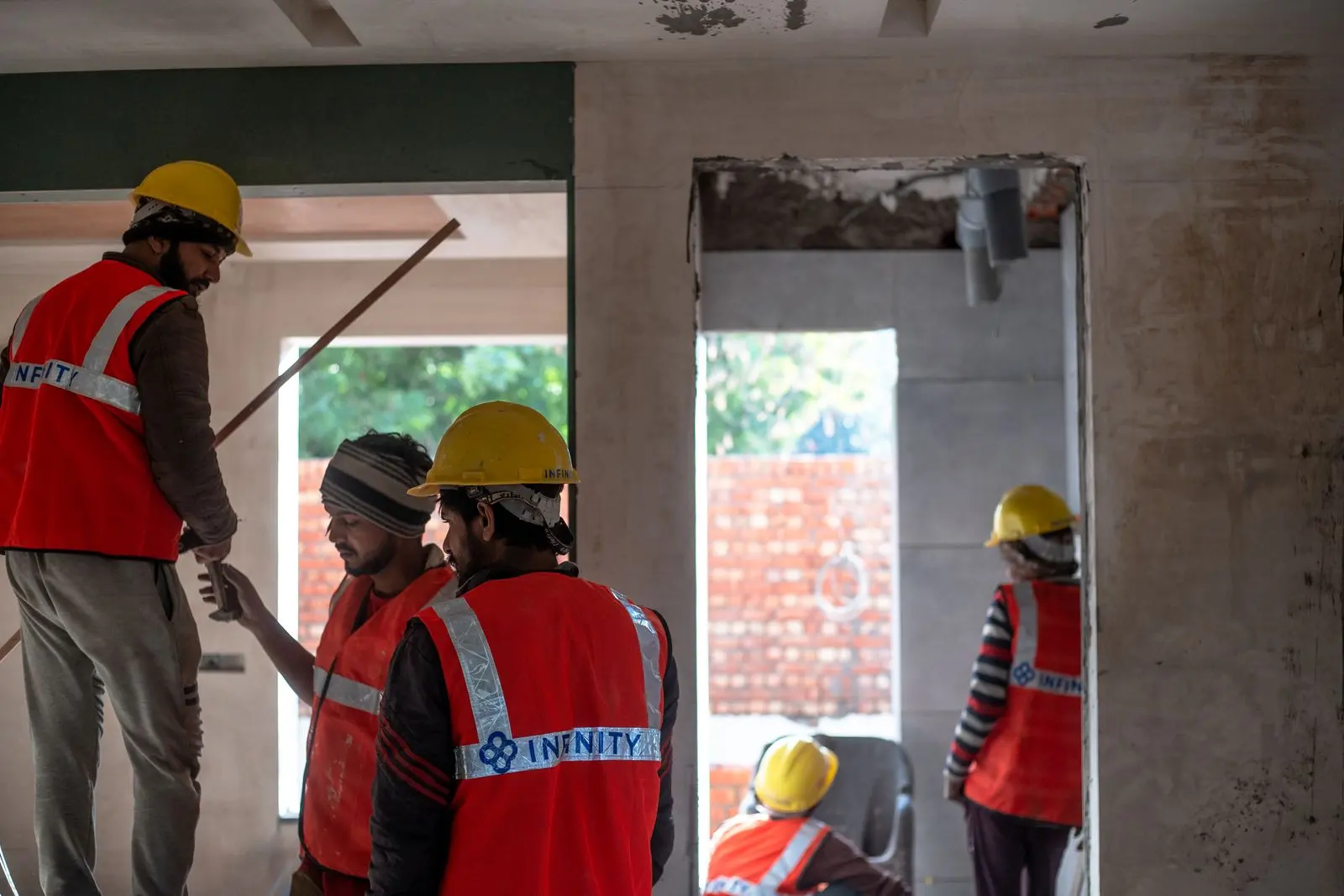
House Demolition Across Mountain View
Demolition FAQs
Mountain View House Teardown FAQ
Once the permit is issued, how fast does the house come down?
Most single-family houses here are on the ground and loaded out within the week, plus a day or two for flatwork and grading. Getting ready takes longer, because the survey, any abatement, utility shutoffs, the air district notice and permit review all come first.
Do I need to tell the neighbors before a house demolition?
It is a good idea, and we help with it. We give neighbors the start date and the work hours, and we keep driveways open while trucks load.
Can part of the house be kept?
Yes. If your plans keep a foundation, a garage or a wall, we demolish around it and protect it. Your designer or engineer decides what stays, and we follow their drawings.
What happens to the debris?
We sort while loading. Concrete heads to crushers, metal to scrap yards, clean wood to processors, and the remainder goes to proper disposal. The records help with CALGreen and city diversion reporting.
Do you demolish houses in Los Altos too?
Yes. Los Altos permits come from its own building division and its tree and hour rules differ, but the teardown work is the same.

Demolition quote
Price a House Teardown in Mountain View
Give us the address and a few lines on the house and lot. Within 24 hours we reply and set a time to walk the property.
- Permits
- Demolition
- Haul-off