
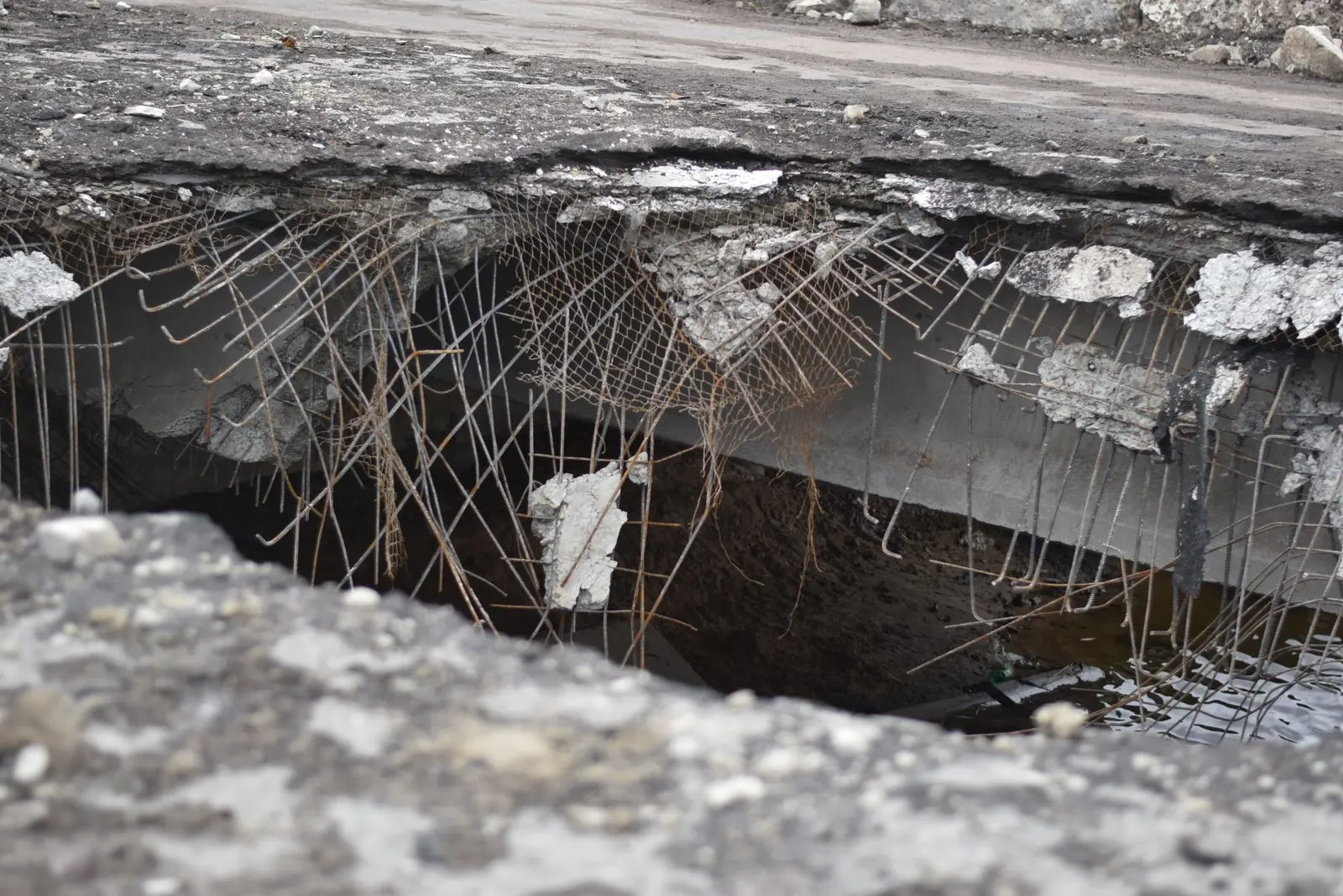
Mountain View slab and driveway removal
Concrete and Foundation Removal in Mountain View
Root-lifted driveways, sloping patios, old garage slabs, footings and low garden walls: we break them out and truck them off. The concrete goes to a recycler, and the ground is left graded for whatever comes next.
Breaking Out Mountain View Driveways and Patios
Old concrete is everywhere on Mountain View lots: cracked driveways lifted by street tree roots, patios that slope toward the house, walkways that heave every winter, and backyard slabs left behind by long-gone sheds. Owners remove them before new pavers, before landscaping that uses less water, or as part of a bigger remodel.
Driveways in older neighborhoods like Old Mountain View are often narrow and run right along the property line. Breaking them out means keeping the breaker and the loader off the neighbor's side, protecting fences and the house foundation, and being careful near the sidewalk, where the city controls what happens past the property line.
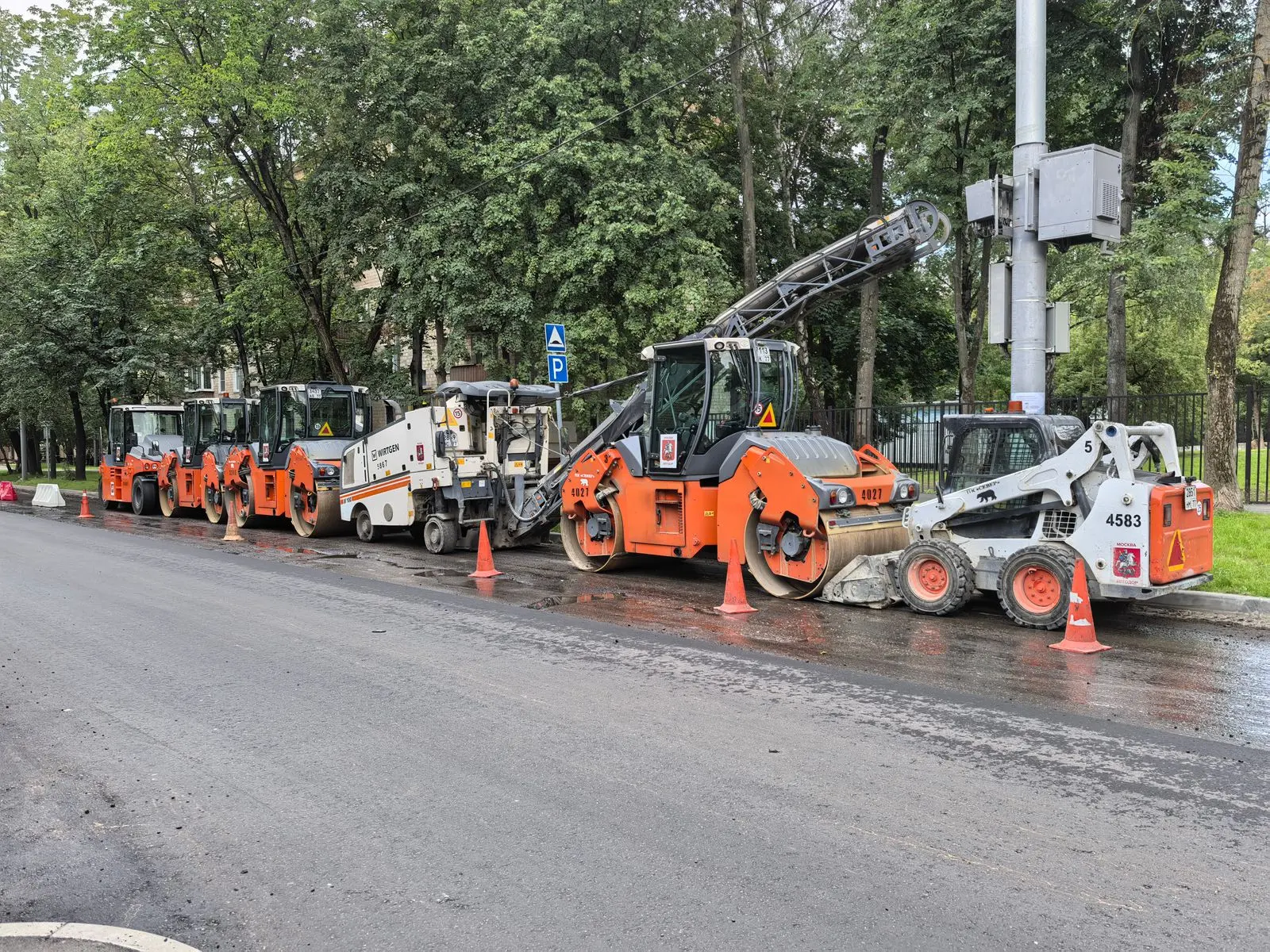
Foundation and Slab Removal After a Teardown
When a house comes down, what is left in the ground can be more work than the house itself. Raised-floor bungalows have perimeter footings and piers. Postwar tract homes, including the Eichlers in Monta Loma, sit on slabs that can be thick at the edges and loaded with radiant heat tubing, rebar or wire mesh. Some older houses have basements or cellar walls that need breaking and backfill.
We remove footings, slabs and buried concrete completely unless the new plans say otherwise, and we pull the rebar and tubing out for metal recycling. When a foundation is staying for a remodel, we saw-cut cleanly at the line the engineer marks and protect the part that remains.
Removing a whole foundation also means pulling the old sewer and water lines that ran under it, back to where the city wants them capped or replaced.
Retaining Walls and Concrete Near Property Lines
Low retaining walls between lots, garden walls and old concrete planters are common in Mountain View, especially where yards were leveled decades ago. Before removing one, we check whether it holds up soil on the neighbor's side or supports a fence. If it does, removal needs a plan for the soil and a conversation with the neighbor first, and taller walls may need engineering.
Concrete at the street, like curb cuts, driveway aprons and sidewalk panels, falls under the city's public works rules. That work needs a city encroachment permit and is inspected separately from anything on your lot.
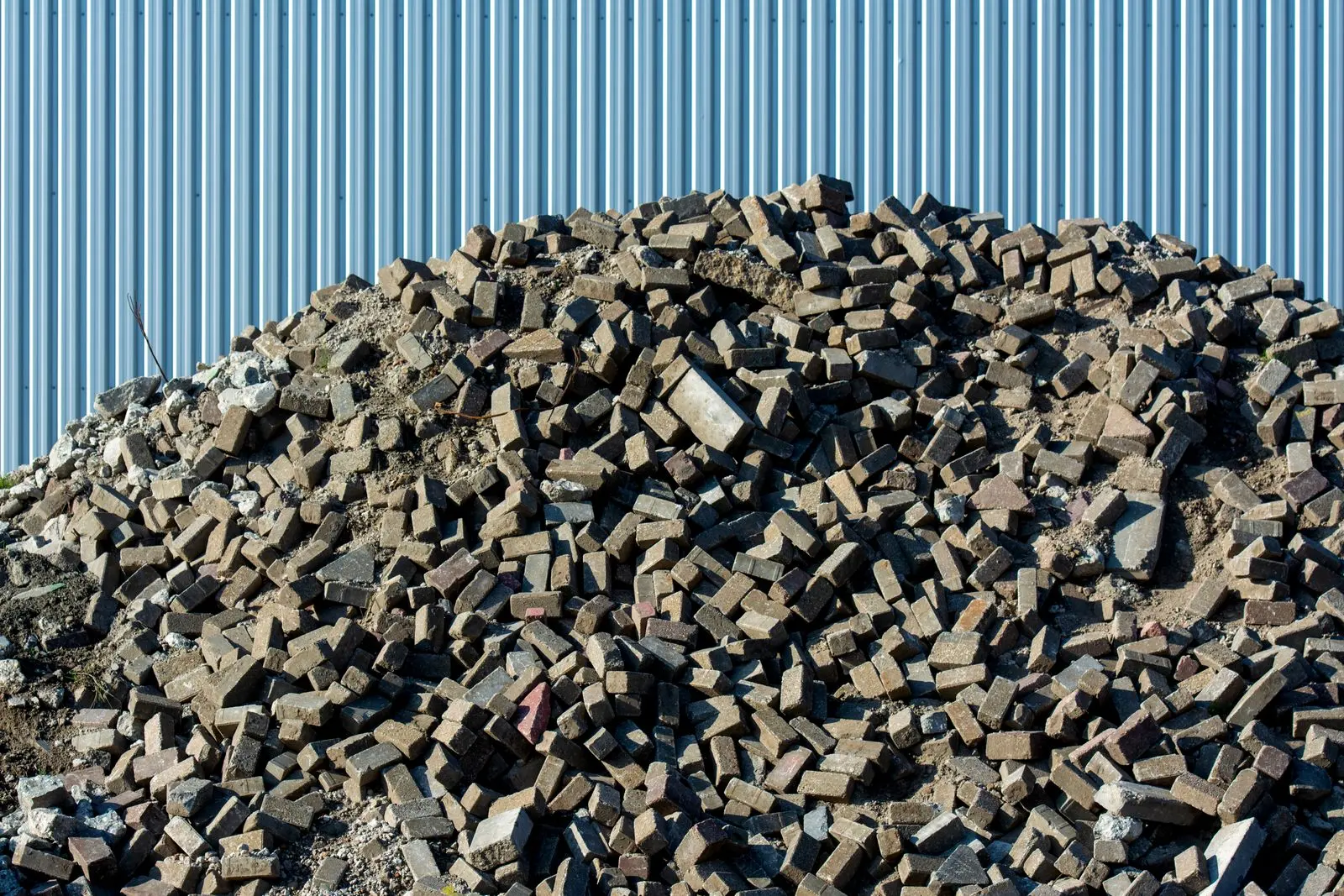
Concrete Recycling and Removal Cost in Mountain View
Concrete with no dirt or trash mixed in has a ready market. Crushing yards turn it into base rock for roads and building pads. We keep concrete separate from soil, wood and trash so it goes to a recycler instead of a landfill, which supports CALGreen diversion requirements and usually lowers disposal cost.
Price depends on the area and thickness, how much rebar or mesh is inside, access for a breaker and loader, how far trucks have to back in, and whether the subgrade needs grading or new base after removal. Thick slabs and foundations take more breaking time than a thin patio.
- Square footage and thickness of the concrete
- Rebar, wire mesh or radiant tubing inside it
- Access for equipment and trucks on narrow lots
- Grading or base rock needed after removal
Mountain View Concrete Removal Scope
Concrete Saw-Cutting at Clean Lines
Where part of a slab, driveway or foundation stays, we saw-cut along the marked line so the edge is straight and the remaining concrete is not cracked.
Breaking and Loading on Tight Lots
Compact breakers and loaders fit down side yards and narrow driveways, and we protect fences, foundations and trees as the concrete comes out.
Concrete Recycling Off Site
Broken concrete is kept clean of soil and trash and sent to recyclers, with load records for city diversion and CALGreen reporting.
Grading After Slab Removal
After removal the subgrade is graded and compacted as needed, ready for pavers, new concrete, landscaping or a building pad.
Concrete Removal: Job Site Photos
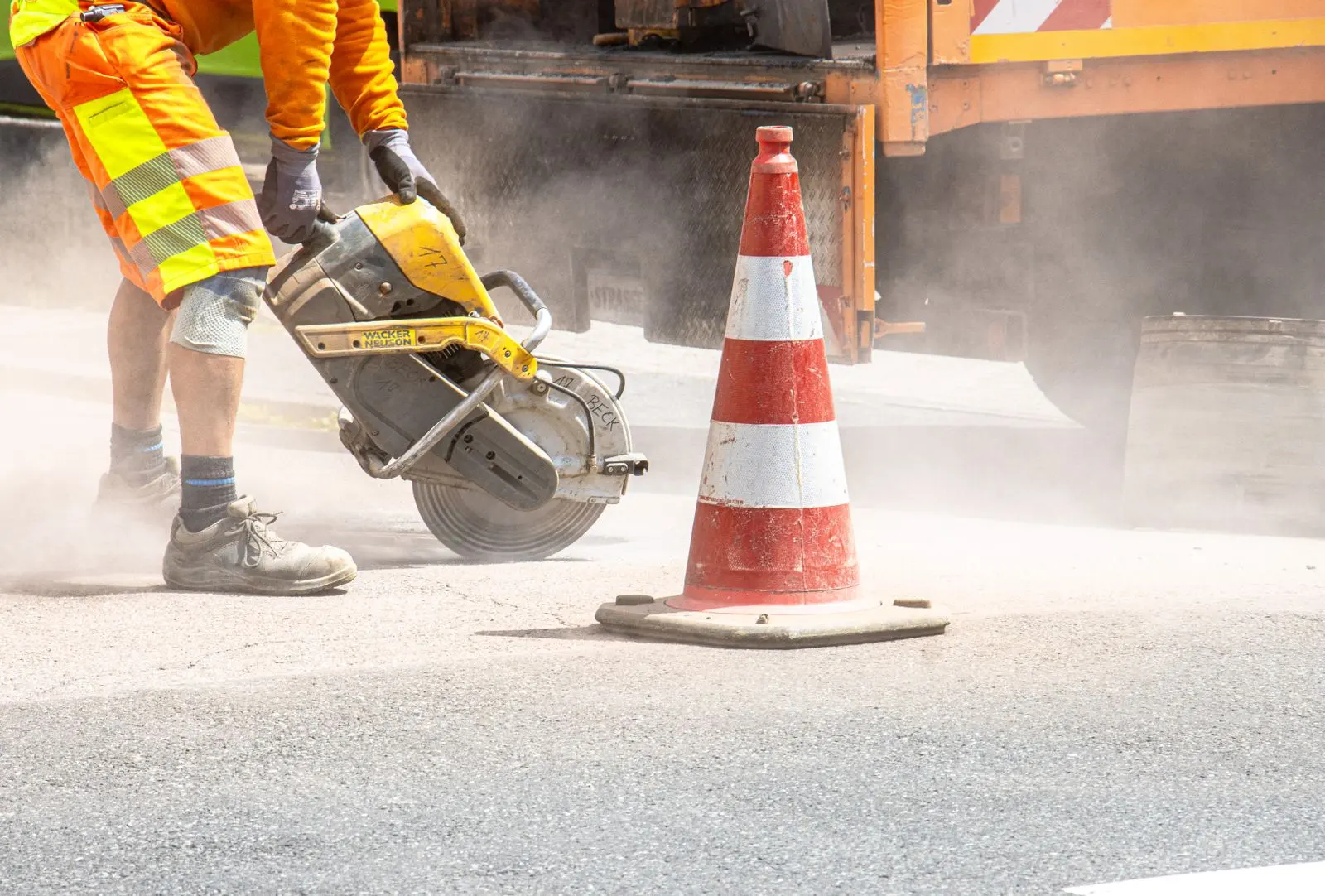
Concrete and Foundation Removal Across Mountain View
Demolition FAQs
Mountain View Concrete and Driveway Removal FAQ
Does Mountain View require a permit to tear out a driveway?
Removing concrete on your own lot often does not need a separate permit, but changing the driveway apron, curb cut or sidewalk at the street does need a city encroachment permit. When the slab comes out as one piece of a bigger teardown or remodel, that project's permit already covers it.
Is old Mountain View driveway concrete actually recycled?
Yes, as long as it arrives clean. Recyclers grind it into aggregate, so we keep dirt, wood and trash out of those loads.
How many days does a driveway tear-out take?
A typical residential driveway is broken out and hauled in a day or two. Thick slabs, heavy rebar, tight side-yard access or a shared driveway that has to stay open for a neighbor all add time, and we tell you that up front.
Can one section of a slab come out while the rest stays?
Yes. We saw-cut along the line you or your engineer marks and remove only the section you want gone.
Will removing a slab damage nearby tree roots?
It can if not done carefully. Near protected trees we break and lift concrete by hand or with small tools and follow any arborist's directions.
Demolition quote
Price Concrete or Foundation Removal in Mountain View
Say what the concrete is (driveway, patio, slab, footing, wall), roughly how big, and how close a truck can park. We answer within 24 hours.
- Permits
- Demolition
- Haul-off